MSSP is a third-party company that manages and monitors an organization’s cybersecurity.


According to IBM’s Cost of a Data Breach Report, the global average cost of a data breach has now reached $4.4 million. For many organizations, the challenge isn’t just preventing cyberattacks; it’s detecting and stopping them before they cause serious damage.
Cyber threats continue to target schools, internet providers, businesses, and even family safety apps. It’s considerably sensitive information. At the same time, cyberattacks are becoming more sophisticated. So, relying solely on in-house resources can leave critical systems exposed.
Managed Security Service Providers (MSSPs) strengthen cybersecurity with around-the-clock monitoring, expert threat detection, and rapid incident response. By combining advanced security technologies with experienced analysts, they help businesses stay ahead of evolving threats while reducing the burden on internal IT teams.
Cyberthreats come in many forms:
Cyber threats are continuously changing. At the same time, organizations are increasingly using more digital tools and services. Poor security practices, outdated systems, and limited monitoring can create openings for attackers. Understanding common risks helps businesses improve their defenses. When the system security is challenged, they have better prepared responses.
Clarify your own goals and research thoroughly to get to the right security partner. To find a competent provider, check:
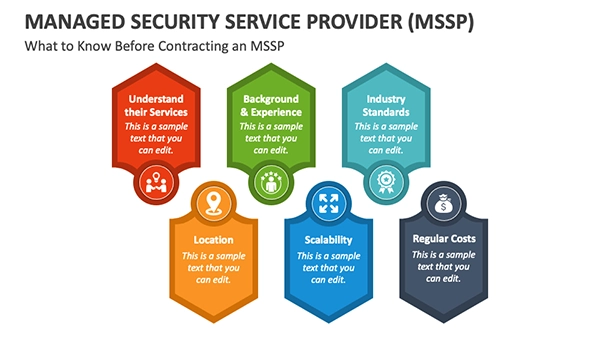
A detailed MSSP vendor comparison can help businesses make an informed decision. It thoroughly evaluates providers based on security tools, pricing, and service quality. The cybersecurity team at Corsica Tech helps organizations protect IT systems through proactive threat detection and 24/7 monitoring and response.
MSSPs can improve cybersecurity by combining skilled experts, advanced tools, and ongoing monitoring. Their services help organizations detect threats, respond faster, and build stronger defenses against changing cyber risks.
A Security Operations Center (SOC) helps organizations:
SIEM tools collect security data from different devices and platforms. They help teams spot unusual activity and possible risks.
Managed detection and response services combine cutting edge technology with expert support and oversight. It helps to investigate threats diligently and take quick action. Together, these services can improve security visibility, reduce response times, and strengthen an organization’s cyber defenses.
Basic tools only provide basic security. Sufficient for personal devices, but they may miss some advanced threats. Managed monitoring gives organizations access to trained security experts who watch systems, review alerts, and investigate suspicious activity.
These teams can respond to security issues at any time and help reduce damage. Outsourced monitoring also gives businesses better visibility into risks without building a large internal security team.
Security practices used by large organizations can also help families stay safer online. Parents can protect devices by:
Regular checks of apps, devices, and accounts can help spot problems early. Simple security steps can reduce risks and create safer digital spaces for the whole family.
Strong cybersecurity often depends on using multiple layers of protection together. Organizations can reduce security risks through:
Each layer adds extra protection against different threats. Continuous response services also help organizations detect problems, investigate alerts, and take action promptly. A layered approach can improve security and help businesses stay prepared for changing cyber risks.
Cyber threats continue to evolve day by day. This makes proactive security more important than ever. Managed Security Service Providers can help organizations improve cybersecurity through expert monitoring, threat detection, and fast response. Their services combine tools like SOC, SIEM, and MDR to identify risks and protect important systems. The same security practices can also help families create safer online spaces through better habits and layered protection.
Just like MSSP, firms should also consider Managed IT Services providers. Our website offers more practical internet and parental control guides. Check them out to learn simple ways to improve online safety and protect digital experiences.
MSSP is a third-party company that manages and monitors an organization’s cybersecurity.
A Security Operations Center (SOC) is the team that monitors and responds to security incidents. SIEM (Security Information and Event Management) software collects and analyzes security data, while MDR (Managed Detection and Response) combines advanced detection technology with security experts who investigate and respond to threats.
Businesses use them to gain around-the-clock monitoring, access experienced cybersecurity professionals, improve threat detection, reduce response times, and lower the cost of maintaining an in-house security operations team.