Ans: The application provides GPS tracking, screen time restrictions, disables access to certain content, and lets parents or professional supervisors monitor activity, thereby creating a safe environment.


In the ever-changing digital world, staying safe both online and offline remains the topmost priority. Every day, businesses, regular people, and even kids are at an increased risk of online risks that can very well compromise personal information of anybody instantly.
This is why we must collectively learn how to follow responsible tech practices and be aware of the digital risks that come with it. Be it while posting a photo dump on Instagram or while disposing of a company-owned device through Mechanical recycling.
This article outlines how digital safety isn’t just a one-time commitment and some tips to follow to keep your family safer online.
Key Takeaways
- The only way to steer clear of online dangers is to always be on your toes and remain proactive online
- When people are hooked to their screens for longer amounts of time, they tend to make mistakes, as their concentration falters
- Parental control provides GPS tracking, screen time restrictions, and lets parents, or professional supervisors, monitor activity, thereby creating a safe environment
- Following simple strategies allows you and your family to stay safe and secure online at all times and fosters the creation of healthy digital habits
Maintaining online safety is not a process where you complete an action, and the effects stay permanent.
The digital landscape evolves every day. New and advanced threats emerge every minute. The only way to steer clear of such dangers is to always be on your toes and remain proactive online.
Once you follow responsible practices daily and stay consistent, your mind starts to instinctively avoid threats. This long-term commitment to safety practices keeps you, your business, and your family safe from all external dangers.
Anything consumed in a balanced way is always healthy, but when the scales increasingly tip too much towards one side, your health starts to be affected.
When people are hooked to their screens for longer amounts of time, they tend to make mistakes, as their concentration falters.
Even simple attempts by somebody trying to steal your info that you would normally avoid would end up being a very difficult situation for you to get out of, as the body would be too tired to make positive decisions.
Similarly, exploring the web without consideration or preventive measures, not reviewing account passwords, and failing to set self-restraint can effectively lead to the creation of bad digital habits.
Responsible technology use goes way beyond simple digital habits. In corporate workplaces, when a device reaches its end-of-life, it’s the responsibility of the owner to see the disposal through.
Studies like the IRENA and IEA-PVPS project display the importance of managing tech disposal responsibly, which serves as a significant part of broader sustainable and responsible tech practices.
Now these may appear insignificant at first, but might end up causing a lot of damage and leave you vulnerable to outside threats in the future, something which could’ve easily been avoided if given some thought.
Fun Fact
To prevent digital eye strain, follow the 20-20-20 rule. Every 20 minutes you look at a screen, you should look at something 20 feet away for at least 20 seconds.
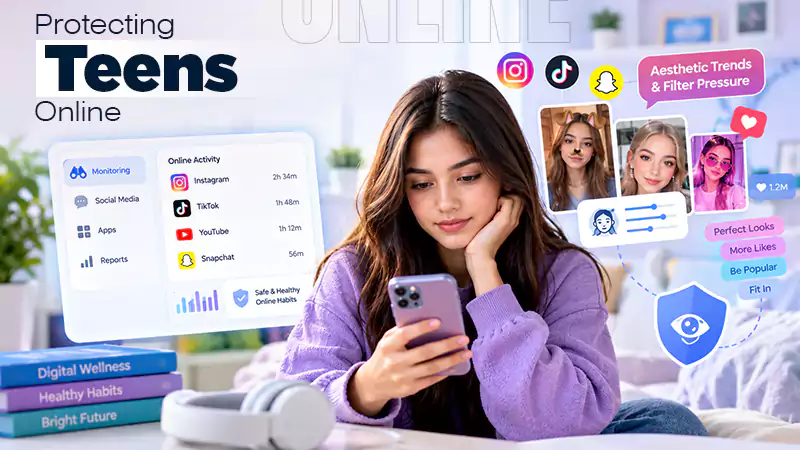
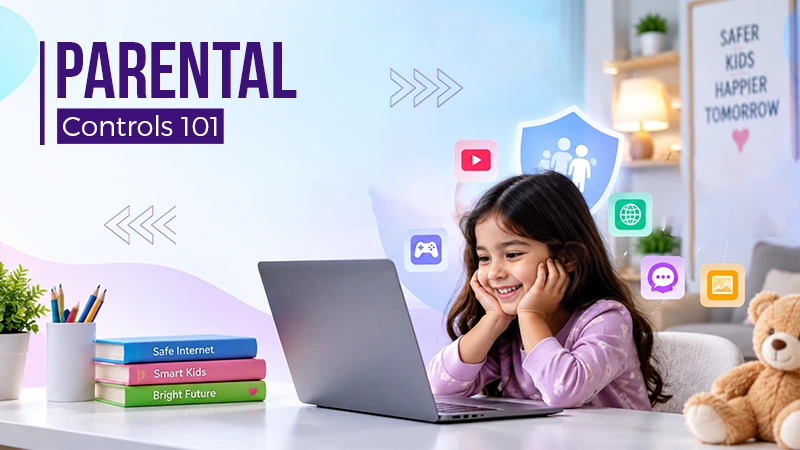
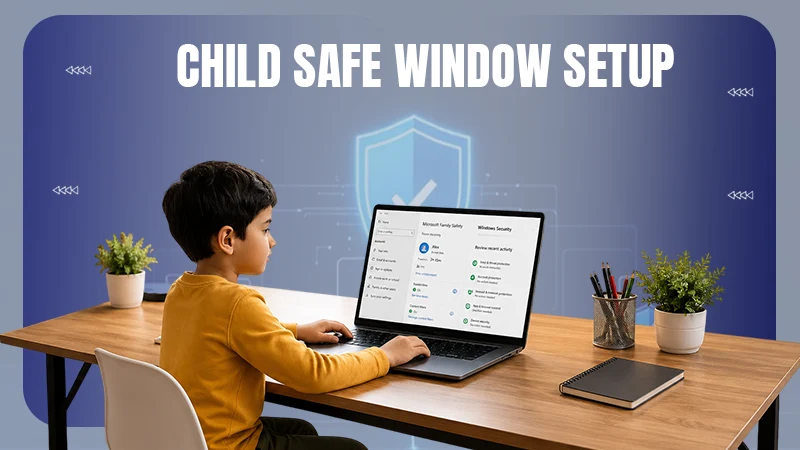
Many people turn to specialized parental control software to set healthy digital boundaries for themselves and their children. Various organizations use the same to ensure all safety procedures are followed and implemented in and out of the workplace.
The same way Solar Recycling services help keep the panels in pristine condition, even after getting exposed to external elements, parental control tools assist individuals in staying on the right path and keeping them safe throughout, even if they encounter digital threats.
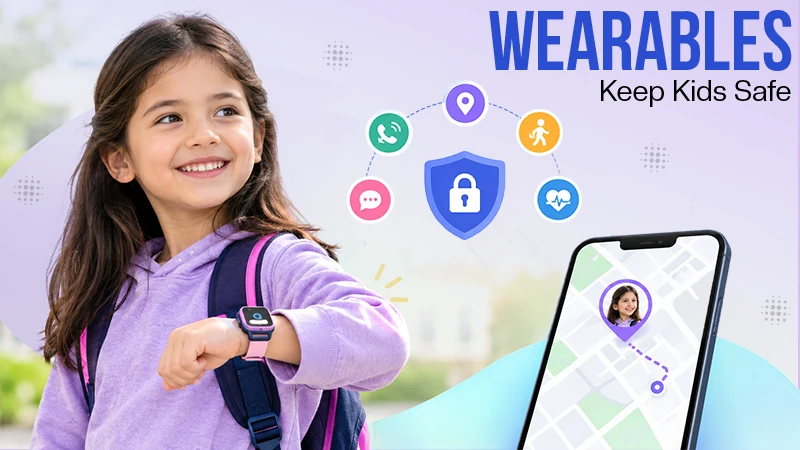
The application provides GPS tracking, screen time restrictions, geo-fencing, disables access to certain content, and lets parents, guardians, or professional supervisors monitor activity, thereby creating a safe environment by establishing preventive measures from online dangers.
Responsible tech practices ensure the family stays digitally safe for a long time. Here are a few methods that one should follow to achieve online safety:
Following these simple strategies allows you and your family to stay safe and secure online at all times and fosters the creation of healthy digital habits.
Ans: The application provides GPS tracking, screen time restrictions, disables access to certain content, and lets parents or professional supervisors monitor activity, thereby creating a safe environment.
Ans: Hackers, viruses, malware, and ransomware are some of the external threats that plague the digital world, making preventive measures extremely important.
Ans: Exploring the web without consideration or preventive measures, not reviewing account passwords, and failing to set self-restraint can effectively lead to the creation of bad digital habits.