Personalized video content is made or tailored specifically for an individual user through information such as their name, interests, preferences, behavior, and interaction with the brand.

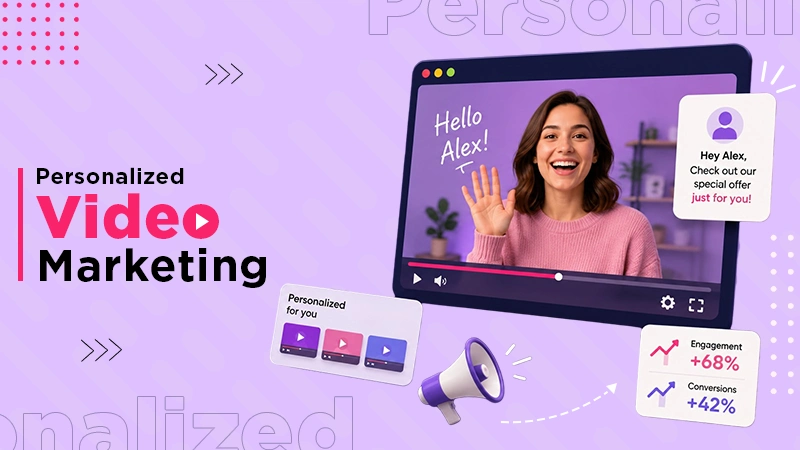
Quick Answer – Personalized videos improve the relevance of marketing through personalized content created for the viewers’ tastes, preferences, and behavior. They help you capture their attention, engage them, and create strong bonds with your audience.
By now, your audience has come across many ads, so adding another generic one may not stop them from scrolling through their feeds. But what will make them stop is a video made especially for them.
A personalized video transforms regular marketing messages into experiences tailored to a viewer’s name, interests, preferences, or previous interactions. It allows companies not to address all viewers the same, but to create an experience where each individual can feel seen and heard, which will make a huge impact on their attention and interaction.
With its use in email marketing, social networks, promotional activities, and other campaigns, personalized video provides marketers with an excellent way of communicating with their audiences.
In simple words, personalized video content is customized to match each viewer’s unique preferences, behaviors, and traits.
But how do you do this?
Video personalization works by using your data (from analytics platforms, CRMs, social media, and other locations) to prepare content that connects with each viewer on a personal level. The data is used to understand customer behavior and preferences.
After the data is analyzed, it will be embedded in a customized video format, which can be used by marketers for customization purposes.
You can personalize the text that appears in titles or captions (for instance, “Hi [Name], welcome!”), audio (such as background music and voiceovers), images, and even video footage and scenes. This level of personalization can help companies drive sales through personalized video by creating more relevant and engaging experiences for individual viewers.
For instance, if the viewer is an outdoor enthusiast, the background music may be more upbeat, and the images and video snippets will be from nature. On the other hand, if the user is an elderly person who appreciates knitting, they’ll hear a calm tune in the background and enjoy images of cute and relaxing things.
One great example of personalized videos comes from Spotify, with the Spotify Wrapped videos. The Spotify Wrapped looks different for each user because it uses a person’s favorite genres, artists, and music.
Video content, in general, is very well received by the public. According to an eMarketer report, Americans spend almost 4 hours per day watching videos online.
This is a lot of time that your potential audience spends watching videos, which makes it a great chance for you to use video marketing.
However, personalized videos don’t have the same impact across all industries. Some industries get better results out of it than others.
For instance:
Now, this doesn’t mean you can’t use personalized videos if you’re in the fitness industry or the energy industry. Just make sure to find the right angle to get the most out of your efforts.
Personalized videos are universal and can help businesses of all sizes across industries. With advancements in AI and video creation tools, even small businesses can create tailored content that resonates with their audience.
From boosting customer engagement to enhancing conversions, these videos are adaptable for different campaigns — whether it’s email marketing, social media outreach, or customer support.
Let’s take a look at some examples of personalized videos used in real marketing campaigns. After all, you learn best by seeing, right?
Ubisoft has launched an innovative campaign with customized videos for nearly five million gamers in 11 different languages.
Each video showcased individual gaming histories, drawing from data across more than 30 games. Gamers could see their stats displayed on dynamic game scenes, which made them extra motivated to share on social media.
The engagement was so great that Ubisoft expanded the campaign by generating shareable infographics based on video stills. This highlights how personalized gaming content can resonate deeply with players worldwide.
To encourage the “Paddington 2” DVD launch, the marketers made use of a cute and personalized video of Paddington writing his customers’ names with marmalade and then erasing them.
Fans who had opted into reminders about the movie’s release were sent these playful clips, sparking excitement and anticipation around the film. This charming technique successfully connected emotionally with viewers by turning simple reminders into delightful experiences tailored to each fan.
Adidas went above and beyond for Boston Marathon participants by creating over 30,000 individualized videos that included race footage combined with unique runner data like time splits and pace metrics.
They came right after the race was completed, within a few hours; these personalized gifts arrived at the time of celebration of the racers’ success!
The outcome was remarkable: a whopping 95% completion rate on all videos and increased sales through email campaigns containing these clips. This campaign is a brilliant benchmark of how brands should connect with consumers to boost loyalty and engagement.
By now, you are certainly filled with excitement and ready to produce your very own personalized video.
If so, you’ll require a specialized platform to help you put all the pieces together and a reliable collection of educational and practical resources. Browse through our tips and enjoy learning about how to boost your marketing campaigns by creating a new form of video content!
Personalized videos are changing marketing by creating meaningful, tailored connections with audiences. As technology advances and customer expectations grow, this approach proves its value by boosting engagement, building trust, and delivering results.
Personalization is not only an upcoming marketing trend but the future of marketing.
Personalized video content is made or tailored specifically for an individual user through information such as their name, interests, preferences, behavior, and interaction with the brand.
Brands can personalize a video through the use of the user’s name, past purchase information, preferences, location, interests, among others.
Yes, it can be done because the technologies that are available today help create personalized videos even for small businesses that can use them for sending messages via emails, for social media marketing purposes, etc.
Personalized videos can increase the relevance of the content. This way, they can help increase engagement and actions from the audience.