Collaboration enables effective coordination and communication with shared understanding of the context and assumptions inherent to a project.



“None of us is as smart as all of us.” — Ken Blanchard (Leadership Expert)
The powerful quote means we can achieve so much on an individual level but even more so when we’re together on a task. And it cuts across all parts of our lives, be it family or work.
There’s rarely any project that a one-man army can execute. Almost all need not just multiple people but multiple teams to collaborate.
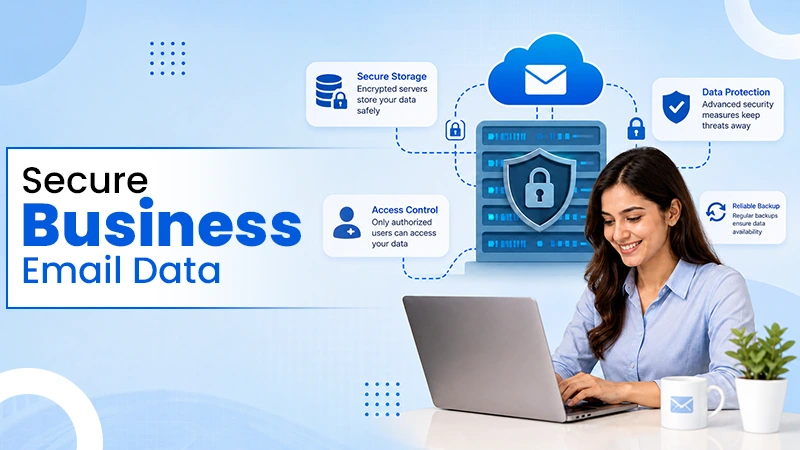
But as most people now work remotely, secure collaboration has become a core part of modern project management. Teams rely on shared files, cloud platforms, and real-time communication every day, making both productivity and data protection essential for successful projects.
The workplace has changed over the past years, with remote, hybrid, and contractual employees all working together on the same project, sitting across the globe. And the global average cost of a data breach is now approximately $4.44 million. So, it obviously requires dependable ways to collaborate without sacrificing security or efficiency.
Successful project management is no longer about just tracking deadlines. Organizations also need systems that support communication, protect sensitive information, and keep everyone aligned from start to finish.
KEY TAKEAWAYS
- With increasing remote work, business data security is decreasing.
- Almost every project involves collaboration, so it’s prudent to build data security into the workflow itself.
- Secure collaboration allows seamless communication and file management across teams.
- Strongly protected teamwork keeps the projects moving forward efficiently.
Collaboration tools help office teams in many meaningful ways, like:
These tools save us from those long email threads.
Keeping information in one place reduces confusion and helps projects move forward more efficiently.
Businesses looking to streamline communication and organization can benefit from solutions that provide project workflows made simple while supporting secure file sharing and team coordination. A centralized platform allows employees to spend less time searching for information and more time completing meaningful work.
Effective collaboration platforms often include:
Organized workflows help reduce duplicated effort while improving visibility across the entire project.
Modern projects often involve confidential client data, financial records, contracts, and internal planning documents. Without appropriate security measures, valuable information may be exposed to unnecessary risks. Cybersecurity in the AI era is getting more and more difficult anyway.
Secure collaboration platforms help control who can view, edit, or share files. Permission settings and user authentication add important layers of protection while still allowing authorized team members to work efficiently.
Balancing accessibility with security helps organizations maintain productivity without compromising sensitive information.
SURPRISING STAT
According to Veritas Research, 71% of employees share sensitive and business-critical data globally using instant messaging and business collaboration tools.
Clear communication avoids any misunderstanding, keeping the project on the planned schedule. Team members have 24/7 access to up-to-date files, their status, context, and any other additional information.
Centralized communication makes it easier to coordinate across departments, especially when employees work from different locations or time zones.
Helpful communication features include:
Keeping conversations connected to specific projects improves accountability and reduces unnecessary follow-up.
Project files often change frequently throughout development. Managing multiple document versions manually can quickly become confusing, particularly when several people contribute to the same project.
Version control helps teams identify the most current documents while preserving earlier revisions when needed. Organized file management also reduces the risk of accidental overwrites or misplaced information.
Reliable document organization supports smoother collaboration throughout every stage of a project.
Many organizations now operate with employees working from offices, homes, or client locations. Cloud-based collaboration tools help everyone stay connected regardless of where work takes place.
Remote access allows authorized team members to review files, update tasks, and communicate securely without depending on physical office networks. Flexible access improves responsiveness while supporting today’s evolving work environments. Assembling a distributed team is a real investment too, with the average cost per hire reaching $5,475 in 2025 and climbing for senior roles.
For a distributed workforce, it’s beneficial and secure to use online payroll solutions.
Administration tasks can eat up a lot of productive time for employees. Efficient workflows enable teams to focus more on the problem and strategizing on how to solve it instead. Automation and centralized project management reduce delays caused by manual processes or scattered information.
Businesses can improve day-to-day operations by focusing on:
Small improvements in organization often produce meaningful gains in productivity over the life of a project.
Modern project management has grown beyond tracking deadlines and aligning task lists. And a big part of modern project management is secure collaboration. Protected teamwork helps teams communicate information and organize data better. Everyone still works towards shared business goals, but the chances of business data being compromised become almost zero.
Organizations that invest in secure collaboration tools are better positioned to support hybrid work, improve efficiency, and reduce unnecessary risk. Solutions from Acronis that deliver project workflows made simple can help businesses create more connected, organized, and secure project environments for long-term success.
For the best-suited collaboration tool for your business, it’s best to compare them on a software comparison platform.
Collaboration enables effective coordination and communication with shared understanding of the context and assumptions inherent to a project.
The four pillars of collaboration are: communication, trust, shared goals, and accountability.
It keeps teams communicating, sharing files, and working together on digital platforms just as usual, while sensitive data is actively protected from cyberthreats, unauthorized access, and leaks.