At its core, the 7-7-7 rule is exactly what it sounds like: spend 7 minutes in the morning, 7 minutes after school or work and 7 minutes before bed in a dedicated, undivided connection with your child.

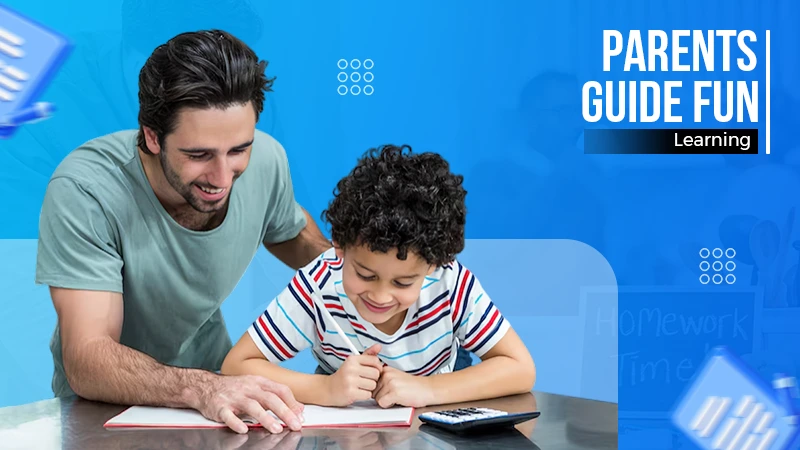

If you have a kid who questions the facts before accepting them. Know that having a random preschooler will not help in the development of your child.
Because preschoolers often get irritated by that idea. Moreover, it won’t be the right start for an inquisitive kid.
Giving kids the right start doesn’t take any expensive and stressful models; rather, they are just a combination of skills such as emotional intelligence, enthusiasm, and blue-sky thinking.
So, if you want that for your kid, here’s the guide to do so!
Key Takeaways
- Exploring the magic of reading together.
- Helping your kid with speech development by chatting your way to a bigger future.
- Ask open questions and get down on the level of your kids to understand them better.
- Analyzing how playing acts as the real curriculum and depicting the power of getting out of the way.
Let’s get one thing straight before we go any further: Play and learning aren’t separate activities. They complement each other. Play is how children learn, especially in the early years. So give yourself permission to put down the flashcards and just play. Take cooking together. Counting eggs, measuring flour, noticing colours and textures, and watching batter transform in the oven – that’s science, maths, and language woven into a single activity.
It might be slower and messier, but the skills (and the memories) tend to be the ones that last. Grocery shopping works just as well. Ask your child to find the red apples. Count the bananas going into the bag. Discuss the origins of food or contrast large and small packages.
Children light up when they feel like a genuine helper rather than a passenger. Out on a walk, point things out: birds, clouds, building materials, and different types of vehicles. Encourage them to notice and ask questions. When they hit you with “Why is the sky blue?”, that’s not a test you need to ace. It’s a request to ponder something together.
Reading aloud to your child every day is a habit that will accelerate their development more than anything else. Not because it checks a box, but because reading aloud together is incredibly beneficial to both the heart and the brain.
Reading aloud to your child stimulates their imagination, teaches them about narrative structure, increases vocabulary at an astounding rate, and—perhaps most importantly—is a warm, affectionate time spent with them.
Make it a ritual. Do the voices. Let them turn the pages. Ask “What do you think will happen next?” Let them re-read their favourites ten thousand times (yes, even that one).
And don’t stop when they start reading themselves. Reading together can continue well into primary school and beyond. There’s nothing quite like sharing a story.
Speech development is something many parents stress over, often without even realizing it. The good news? Talking to your child is the most effective thing you can do, and it doesn’t cost anything or require any special training. Babies listen and try to understand the sounds around them, the relationships between words, and their meanings from the moment they are born.
The more they hear your voice, the more prepared individuals become to use language themselves. One surprisingly powerful habit is narrating your day out loud. It might feel a little silly at first, but it genuinely makes a major difference.
We mean it literally when we say that you should put yourself at your child’s level, look them in the eye, and pay attention to what they have to say. Try to resist the need to correct as well.
For instance, when your three-year-old says “goed” instead of “went”, let it go and just mirror it back naturally: “Oh, you went to the park?” That sounds amazing!” The conversation continues; they pick up the proper form without feeling embarrassed, and their confidence is unaffected.
And don’t overlook the common use of songs and rhymes. Nursery rhymes might feel a little dusty, but they’re doing real, quiet work, tuning little ears to the rhythms and phonological patterns that hold language together. Sing in the car. Sing at bath time. Sing before bed. Honestly, it makes no difference where. What matters is that you do it.
Instead of asking, “Did you have a good day?” which only elicits a nod, try asking, “What made you laugh today?” or “Tell me one thing that caught you off guard.” These kinds of questions allow kids to search their memory actively, put their ideas into words, and let you into their world.
If something does feel off, your child has far fewer words than expected for their age, is hard to understand, or gets visibly frustrated as they attempt to communicate, trust that instinct and mention it to your health visitor or GP. The earlier children get support, the better the outcomes are inclined to be.
One of the most underrated gifts that you can give your child is space, space to be curious, to explore, and yes, to make a mess. When children are touching, questioning, experimenting, and turning the living room upside down, they’re not being difficult. They’re doing exactly what they should be doing. They’re learning. The best way to support that? Join them.
Be curious alongside them. Make it very evident, both in your words and your responses, that no question—even the ones that surprise you—is foolish. And they will catch you off guard.
When that happens, the most powerful response you can give is also the most honest: “I don’t know, but let’s find out together.” You might be surprised at how much that little phrase accomplishes. It tells your child that not knowing isn’t something to be ashamed of. It’s simply the starting point. Let them make mistakes.
Let them fail a few times. But when they do, focus your praise on the effort rather than the outcome. A child who learns that trying is essential, regardless of whether they succeed, develops something that no trophy or gold star can ever give them: resilience. That quiet inner strength that can keep going when things get hard is, in the long run, worth far more than getting it right the first time.
Parenting is not about following a rulebook; it is about experiencing and enacting it in a way that the child needs it. Every child is different, and so should be the way they are treated. This is where this guide will help you to know your child better.
At its core, the 7-7-7 rule is exactly what it sounds like: spend 7 minutes in the morning, 7 minutes after school or work and 7 minutes before bed in a dedicated, undivided connection with your child.
The 5 Cs consist of consistent rules and routines, connection, clear instructions, coregulation, coping and caring for yourself.
Children can feel anxious about different things at different age groups. From the age of around six months to three years, it is very common among kids to have separation anxiety.
The main goal of parenting is to build children strong enough to face the world’s challenges. This requires four major pillars of parenting, which are making kids feel safe, seen, soothed, supported and challenged.