A combination of different platforms is better for short film engaging. For reference images or maintaining quality, Veo 3.1 is best suited. You can try Runway Gen 4.5 and Kling for support.


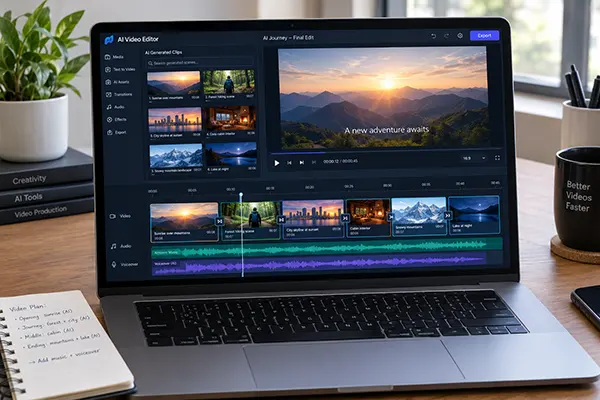
Making a five-second video of a person walking down a street is normal․ But in 2026‚ you noticed that creators can create characters‚ select styles‚ pan‚ zoom‚ and move the camera‚ create dialogue‚ and generate sound․
In short film storytelling‚ moving from idea and script to repeatable scenes‚ a good platform also takes into account how the overall character‚ setting‚ mood, and visual logic of the film is maintained․
This is also seen when AI can handle the repetitive aspects of editing‚ the creator is still responsible for the creative vision․ This distinction can guide you in choosing an AI video editor․ An AI video editor should accelerate workflows and storytelling‚ not replace the storyteller․
You already know that every model can make something act differently, but it’s not the factor all the time. In short films‚ three things are important:
QUICK INSIGHT
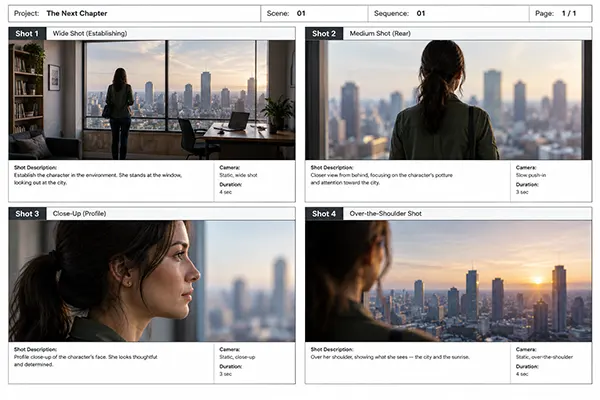
If you try to shoot a clip using a platform and notice that it’s effective, then a minute later a new shot is created, and it resembels to be of another movie shot. This means that it is a simple clip generator, not a short-film tool.
If you want to work with writing clips shot from a detailed prompt, then this is the best suited of all. Google Veo uses native audio with high-resolution 4K shots, especially recommended for filmmakers and storytellers.
This is Kuaishou’s best model for Western video makers because it has detailed shots with automation and syncs with tiny or complex structures perfectly. It’s relatively low cost. And Multilingual lip sync is already installed in it.
Works for directed shots or choreography. It covers complex scene composition, timing, and atmosphere changes. Basically, both text-to-video and image-to-video generation are possible. Gen 4.5 uses 24/25 fps, and it generally shoots individual clips then assembles later.
It supports multi-shot storytelling. In 2026, ByteDance surpassed the previous versions of Seedance with a new multimodal model with various features included in it. Some external features were added to the new Seedance 2.5, introduced in July 2026. Its evolution for AI Video Generation helps transform the platform.
Newer model launched in 2026. Used in experimental filmmaking and cinematic shots with an open-source model. This creates characters and references with anchor texting, with more shots added. Preferred for consistency, motion video in several newly introduced or existing video editor platforms.
Worked with detailed controls over AI video. Win 2.7 and Win 3.0 both offer first image-to-video generation and text-to-video generation with suitable reference output in continuity. Wan model generally depends on transitions to text prompts.
Focused on multi-shot video formatting, with continuous visual representation and no clear structure defined. V6 is built for wide shots and close-ups in a sequence. Attention to motion and character development with minimal physical interference.
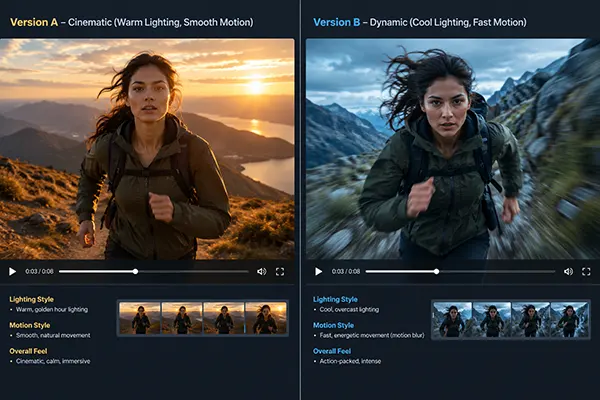
MiniMax worked closely with Hailuo on agent-style video workflows, which basically include scripting, motion sensors, voiceover, and editing. It’s designed for newcomers with basic facilities with automated short-form storytelling.
Usually for frame-level video capture, designed for indoor shooting with attractive lighting composition. Luma also highlights HDR and EXR outputs for professionals. Ray 3.2 was released in June 2026 for production to enable specific control adjustments.
It’s an integration of multiple platforms into a single tool for an AI video platform. All models include Runway, Google Veo, Kling, Seedance, and HappyHorse. More advantage for flexibility and variation with a combination of AI models in it.
WORTH KNOWING
The recent update about the Sora API: it deliberately closed its web, as OpenAI shut down the experience entirely. It happened on April 26, 2026, while it was scheduled for permanent deletion on September 24, and library of Sora is last upto final export duration. Similarly, Runaway also discarded Sora from their platform in April.
It’s extremely bad news coming from AI filmmaking in 2026 that tools which are famous in recent years are disappearing within months. OpenAI has made a severe decision about Sora web.
This becomes a good lesson for all video editors and AI video platforms. To work on every script with originality, designing manually, storyboarding, video, and audio are taken outside the screen workflow.
Radarro’s explanation about AI video formatting is worth implementing on the human portion for creativity and control over automation.
The most prominent AI video platform suited for the purpose that is fulfilled during production of filmmakers in cinematic or short-clip video generation. Major focussed areas are storytelling, consistency, and editing that are worth more than any subscription to video formatting platforms that charge you more than it delivers.
Google Veo 3.1, Kling 3.0, Runaway are the platforms that are really great in demand for specific creation rather than AI generation that simply disqualifies the camera setup in real scenarios. Worth the time saving and suitable for good video editing.
Script nurturing, location fixing, licensing, drawbacks for creators, and managing projects with high-end blending with smart technology and innovation.
A combination of different platforms is better for short film engaging. For reference images or maintaining quality, Veo 3.1 is best suited. You can try Runway Gen 4.5 and Kling for support.
Basically, age-restricted platforms are still available online, while teenagers should avoid using photos, personal details, and information. Keep an eye on your teenagers if they really do.
Only use it for personal scenarios unless taking concern with such platforms offer you these benefits, and they are paid subscriptions. Copyright is another issue when you work official for some project.
Not sure; paying for different subscriptions doesn’t add to your video editing. Unless you use an aggregator platform, it comes under different roles in one pipeline.