Ans: To enhance protection, parental control systems have integrated another layer of complex safety measures that safeguard children, parents, and even employees from the dangers of the internet.

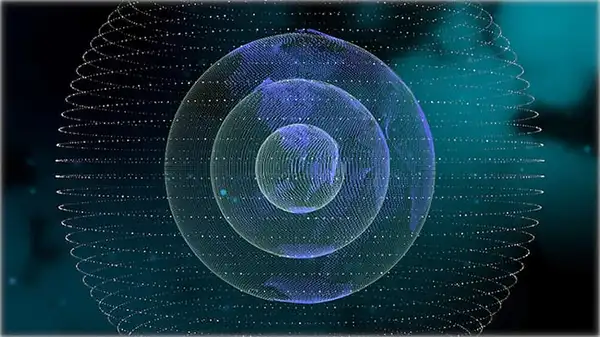
Each industry learns from the other. As technologies advance, opportunities rise, and so do the threats and problems that accompany them. The creation of a Dual Fuel Kit has not only led to a massive change in the automotive sector, but also in the digital safety practices.
As these developments land in their respective segments, the exponential progress in security is observed by regular users of the services and products, thereby benefiting all parties involved.
This article draws a comparison with how dual-engine mechanisms have influenced advancements in parental control systems.
As the world transitions to a digital-first landscape, cyber threats evolve and get increasingly dangerous, calling for increased security for individuals who are most vulnerable.
In today’s time, a single layer of encryption and security reaches its limits very quickly, calling for tougher measures to deal with ever-evolving viruses and threats.
To enhance protection, parental control systems have integrated another layer of complex safety measures that safeguard children, parents, and even employees from the dangers of the internet.
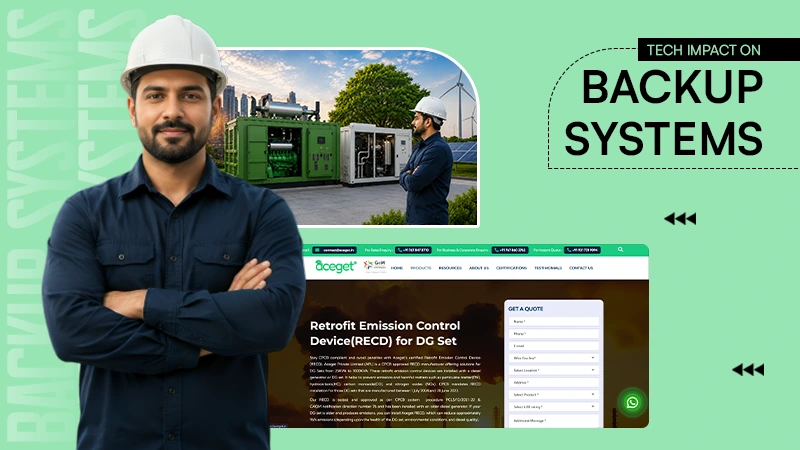
Similar to how an RECD kit for DG Set neutralizes harmful emissions from the diesel generator before it makes contact with the atmosphere, dual-engine-based parental controls monitor traffic and enter into threat-elimination mode once encountered with an active danger.
This allows for safe browsing, protection of sensitive data, and restriction of certain websites that aren’t inherently secure.
Furthermore, if an advanced online danger is faced, proper protocols are followed, wherein dual security ensures that a person stays clear of dangers at all times.
Following this dual-engine approach in the automobile industry reduces diesel generator emissions by 90%, and the same strategy has almost identical results in the online safety sector.
A fail-safe parental control software can easily be implemented by installing the same on every device in the home, discussing with the family about the dangers of the online world, how one can remain safe, and what measures to take if they encounter it.
People also establish limits on certain applications, search restrictions, create desktop profiles, and apply router-based filtering to stay safe even if dangers slip through one of the layers.
For example, when a vehicle utilizes a dual engine perimeter designed by Aceget Private Limited, they are less prone to unexpected stoppages as they act as an additional security system, allowing military and other specialized vehicles to function smoothly even when the kit gets compromised.
Similarly, parental controls keep running to secure the data even when a layer gets exposed to external online threats.
Fun Fact
The term “Defense in Depth” is a direct nod to historical castle designs. Just as a castle uses moats, heavy walls, drawbridges, and guards to protect the inner keep, modern systems use firewalls, encryption, and multi-factor authentication.
The following are the steps to create a stronger digital perimeter for your family:
Using these practical strategies helps you in creating a stronger digital perimeter that keeps your loved ones safe from any external online threat and lets you browse the web stress-free.
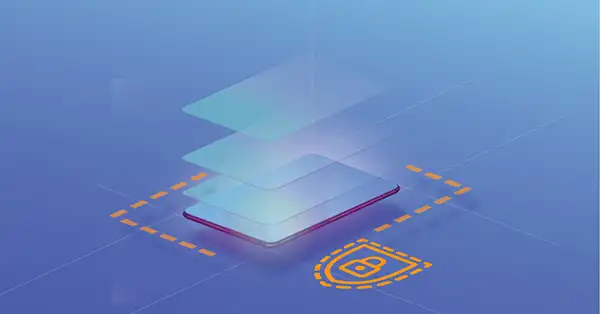
As the modern landscape has brought new and dangerous threats into the online world, it has also led to an evolution of technologies in different industries, with the automobile sector constructing dual-fuel infrastructure to enhance performance and keep engines running smoothly even after disturbances, and digital safety practices learning from it and making their own advancements.
Such progress has designed a multi-layer system, enabling parental control systems to adopt the same, and increase the security performance of their platforms manifold.
Ans: To enhance protection, parental control systems have integrated another layer of complex safety measures that safeguard children, parents, and even employees from the dangers of the internet.
Ans: The following are the ways individuals can enhance their digital security:
Ans: People establish limits on certain applications, search restrictions, create desktop profiles, and apply router-based filtering to stay safe even if dangers slip through one of the layers.
Ans: Dual-engine-based parental controls monitor traffic and enter into threat-elimination mode once encountered with an active danger.