Ans: The following are the benefits of social listening:
- Improved customer relations
- Data-driven decision making
- Competitive advantage
- More effective marketing

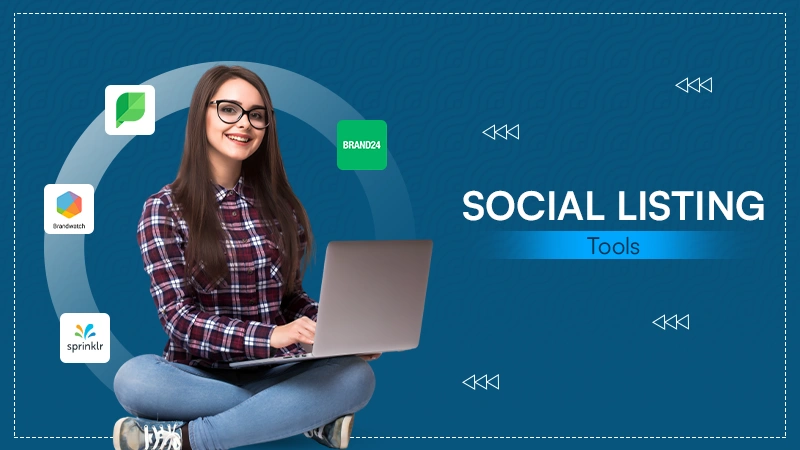
In the digital age, successful brands do not just monitor mentions; they analyze conversations, extract insights, and turn that information into measurable revenue.
This is why many organizations use social listening tools to gain an edge over their competitors, allowing them to transform and optimize their strategy by understanding customer sentiment and predicting future trends. But how can one apply these strategies to their workflow?
This article highlights how to do just that, enable data-driven decision-making, and lists the ten best social listening tools in 2026.
Key Takeaways
- Unlike basic social media monitoring, which focuses on the number of mentions, social listening emphasizes sentiment, intent, and context
- Social listening provides real-time data on consumer opinions and relevant market trends, allowing leaders to make informed and strategic decisions
- Selecting the right tool depends on your business goals, size, and budget
- The right tool can empower businesses to transform raw data into strategic decisions, improve customer experience, and stay miles ahead of the competition
Social listening refers to the process of monitoring online conversations and analyzing them to extract meaningful insights. Unlike basic social media monitoring, which focuses on the number of mentions, social listening emphasizes sentiment, intent, and context.
By understanding what the audience says and feels, businesses can gain valuable information about customer needs, preferences, and pain points.
These analytics inform marketing strategies, product development, and customer experience movements.
Before utilizing this strategy practically, one must be aware of the enhancements it provides to perfectly measure results and plan accordingly for the future.
Actively listening and responding to customer feedback helps businesses build trust and long-term relationships. Prompt engagement shows customers that their voices matter.
Social listening provides real-time data on consumer opinions and relevant market trends, allowing leaders to make informed and strategic decisions.
Brands can track conversations about competitors to understand what customers like or dislike, helping refine their own offerings.
Social listening makes it easier to identify relevant influencers who align with your brand’s audience and values.
By consistently analyzing customer sentiment and conversations, organizations can measure brand perception and respond swiftly to potential crises.
After evaluating features, scalability, pricing, and innovation, here are the top social listening tools leading the space:
Unique Features:
Sprinklr Insights is a market-leading social listening platform that unifies brand monitoring across 30+ digital and social channels.
Key Features:
Best For: Enterprises and global brands
Why Choose Sprinklr:
It provides enterprises with useful integrated features that detect emerging trends, monitor brand sentiment in real-time, and respond to changing customer needs more quickly than competitors by transforming raw data into actionable intelligence.
Unique Features:
Enterprise-grade analytics with access to millions of data sources.
Key Features:
Best For: Large corporations
Drawbacks: High cost and reliance on data sampling; limited access to some platforms.
Unique Features:
Combines publishing, engagement, analytics, and listening in one platform.
Key Features:
Best For: Marketing teams managing multi-channel campaigns
Drawbacks: Listening features are less advanced compared to specialized tools.
Unique Features:
Affordable yet feature-rich solution for smaller teams.
Key Features:
Best For: SMBs, startups, agencies
Drawbacks: Limited advanced analytics compared to enterprise tools.
Unique Features:
Integrates media monitoring with social listening.
Key Features:
Best For: PR and communications teams
Drawbacks: API limitations may restrict access to some social data.
Fun Fact
Brands frequently use listening data to uncover product flaws, measure Share of Voice (SOV) against competitors, spot PR crises before they go viral, and discover untapped micro-influencers.
Unique Features:
Simple keyword-based alert system.
Key Features:
Best For: Basic monitoring needs
Drawbacks: No real-time social media listening or advanced analytics.
Unique Features:
Combines social listening with robust management tools.
Key Features:
Best For: Agencies and mid-sized businesses
Drawbacks:
Less advanced analytics than enterprise platforms.
Unique Features:
A long-established platform with scalable listening capabilities.
Key Features:
Best For: Large organizations and regulated industries
Drawbacks: Accessing some of its advanced features require the purchase of premium plans.
Unique Features:
Advanced AI with image and video recognition.
Key Features:
Best For: Brands needing deep analytics and visual insights
Drawbacks: High upfront costs required to access features.
Unique Features:
Real-time notifications for brand mentions.
Key Features:
Best For: Startups and SMBs
Drawbacks:
Limited deep analytics capabilities.
Selecting the right tool depends on your business goals, size, and budget:
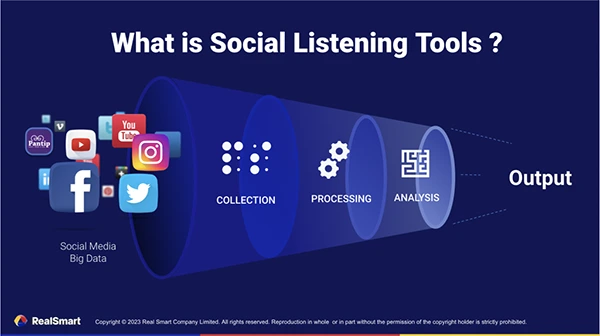
You can also check out this infographic to better understand how these tools help collect and organize data and turn them into actionable insights:
Social listening has transformed rapidly with many advancements in technologies like AI and automation. Today, it’s not just about tracking conversations but also about understanding them, predicting trends, and acting on received insights in real-time.
The right tool can empower businesses to transform raw data into strategic decisions, improve customer experience, and stay miles ahead of the competition.
In a world dominated by conversations, those who listen effectively always lead.
Ans: The following are the benefits of social listening:
Ans: The choice of a social listening tool depends entirely on a business’s current requirements, targets, size, and budget.
Ans: The most suited social listening tool for enterprise-level intelligence requirements is Brandwatch or Sprinklr Insights, both providing enough advantages to fulfill an organization’s goals.
Ans: Brands can track conversations about competitors to understand what customers like or dislike, helping refine their own offerings.