If the cord has visible physical wear and unusual order, tat means it’s damaged.

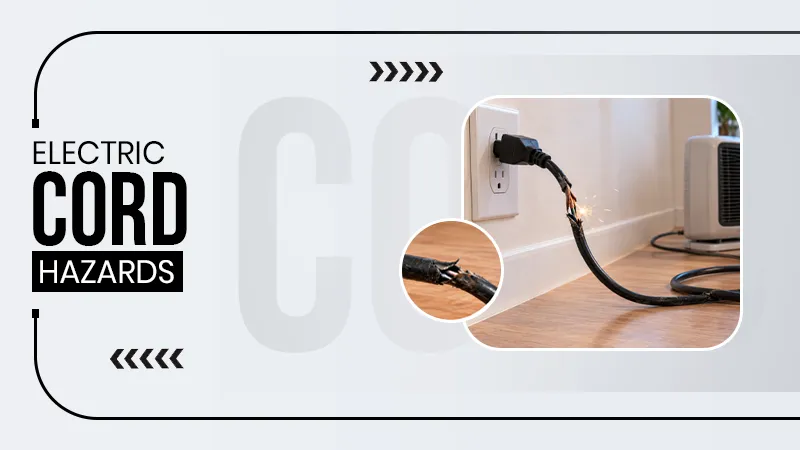
When there is damage along the cable, you might not think twice about an electric cord until a device stops working or a plug feels unusually warm. Sometimes we miss small defects, but worn insulation, loose connections, and poor construction can create electrical hazards that should not be ignored.
By inspecting cords regularly, you can minimize these risks; the right product that matches your equipment can help. Try to properly check the cord condition, voltage rating, amperage rating, wire gauge, connector type, and intended environment before use. If a cord is heavily damaged, just replace it.
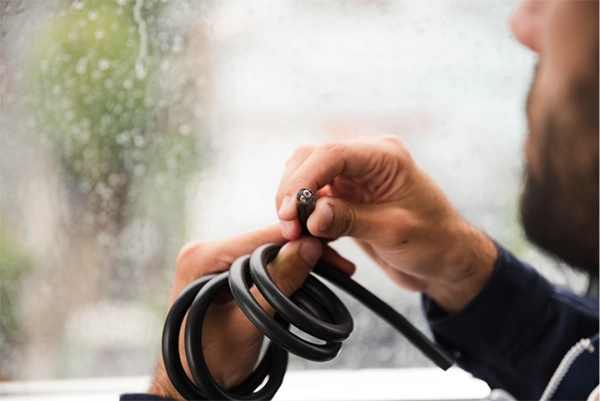
Damaged insulation can, most of the time, expose conductive parts of an electric cord. Cracks, cuts, abrasions, and worn sections can develop after repeated bending, pulling, crushing, or contact with sharp surfaces.
Periodic checking can help you spot issues, so look for:
Serious cord damage should be replaced quickly, and as far as possible, avoid using a cable with exposed conductors or badly damaged insulation.
When you need a replacement, choose an electric cord with suitable electrical ratings and connector specifications for your equipment and intended application.
Electric cords often generate heat as current passes through their conductors. The factors that can increase electrical resistance are:
If a cord gets heated easily, try to replace it.
If the construction is low-quality, it can also raise concerns.
Insulation that does not suit the intended application may also offer inadequate protection against heat, abrasion, or other environmental conditions.
So, before using any cord:
The reliability of the connected equipment is affected by a damaged or poorly constructed cord.
Broken conductors, loose connections, and damaged plugs can interrupt power or create intermittent home connections.
Repeated interruptions can be very disruptive when equipment requires a good, stable electrical connection to operate properly.
If you are choosing a cord, don’t just look for whether the plug fits or not. It can be influenced by
Try to check the equipment manufacturer’s requirements before choosing a replacement. Match the cord to the required connector, current capacity, voltage, and application.
If your equipment has some specific requirements, use a properly rated cord.
Physical damage can increase the possibility of an electrical short circuit. Many things like a crushed cable, exposed conductor, or damaged insulation can allow conductors to make unwanted contact. Moisture and conductive debris also play a role in creating additional concerns when a damaged cord is used in an unsuitable environment.
Poor-quality cords raise some issues when their construction does not provide adequate protection for the intended application.
Weak insulation, poor terminations, or unsuitable cable materials can reduce the cord’s ability to withstand normal use.
The risk becomes really important when cords face sudden movement, physical stress, or demanding environmental conditions.
You can minimize the risk by picking a cord designed for its intended use and inspecting it regularly. Try to keep the cable away from sharp edges and heavy objects that can crush the jacket.
If a cord has exposed wiring, major insulation damage, or signs of electrical arcing, disconnect it safely and replace it rather than attempting to continue using it.
Cord failure can happen because of many reasons, such as sharp bends, frequent pulling, crushing, excessive heat, and improper storage can weaken the outer jacket and internal conductors over time.
It’s possible a cord might work, but somewhere it is just becoming less reliable.
Low-quality material might reduce the service life. Poor conductor quality, inadequate strain relief, and weak terminations can make a cord less suitable for repeated or demanding use.
A cable intended for light indoor use might not be right for a workshop, commercial facility, or other environment where it has to face greater physical stress.
That’s why it’s important to select cord according to the conditions and environment.
Think about:
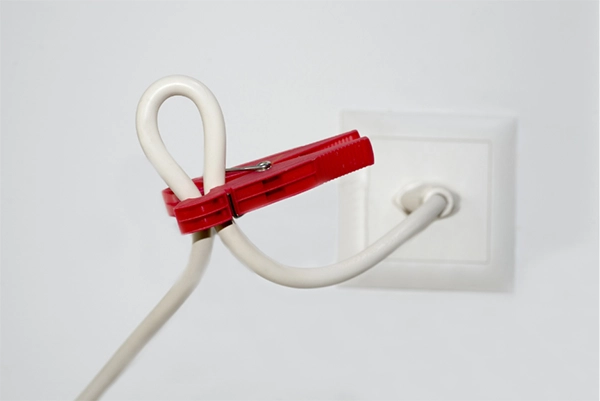
Try to store cables loosely, don’t bend, replace cords when you find significant wear, damaged connectors, exposed conductors, or other signs that the cable can no longer provide reliable service.
Damaged and low-quality electric cords can create various risks, including electrical shock, excessive heat, equipment issues, short circuits, and premature failure. Cord condition matters, but product selection matters too. You need to think electrical ratings, wire gauge, connectors, construction, and intended use before selecting a replacement.
Make cord inspection part of your routine, especially for cables that receive frequent use or operate in demanding environments. If you find exposed wiring, severe insulation damage, burn marks, or signs of overheating, stop using the cord and replace it with a good rated option. A suitable cord and periodic inspection can help you maintain safer, more reliable electrical connections.
If the cord has visible physical wear and unusual order, tat means it’s damaged.
The most common cause of cable failure joint and termination failure.
The two most common types of electrical cables are non-metallic cable and coaxial cable.