Text-to-image AI is a technology that generates images from written descriptions.

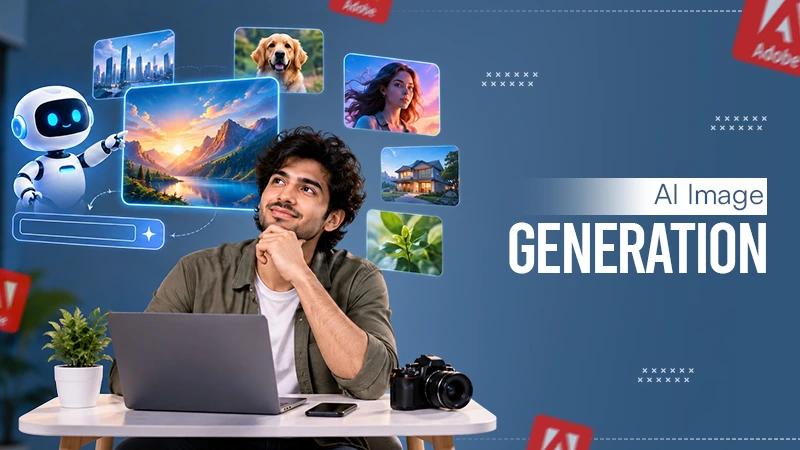
Quick Answer: Earlier, producing above-average imagery was a task. Now, even creating compelling visuals no longer requires advanced design skills, expensive software, or hours spent browsing stock-image libraries. With text-to-image AI, a simple written description can become a customized image within seconds. This shift is changing how bloggers, marketers, educators, and businesses approach visual content creation. Adobe’s 2025 Creators’ Toolkit Report found that 86% of creators actively use creative generative AI in their workflows, highlighting its growing role in the creative process. However, almost anyone can generate an image; it’s basic. The real value lies in someone who understands prompts, reviews AI outputs, and applies human creativity. These remain essential for producing visuals that are accurate, engaging, and fit for purpose.
Text-to-image AI models are trained through machine learning. This allows them to interpret written prompts and generate visual content based on those instructions. A prompt might describe a landscape, product concept, illustration, character, interior design, or a particular creative style.
The system analyzes the words in the prompt and translates them into visual characteristics such as objects, composition, colors, lighting, and atmosphere. The quality of the output often depends on how clearly the user communicates the desired outcome.
For people who want to experiment with this technology without relying on difficult-to-use design software, a text to image AI generator can provide a straightforward starting point for creating customized visuals.
One principal advantage of AI-generated imagery is speed. A designer may spend considerable time developing an initial concept, while a GenAI tool can produce several visual ideas from written descriptions in a much shorter period.
This is useful during the brainstorming stage. A content creator might generate different concepts before deciding which visual direction works best. Businesses can also use AI imagery to explore campaign ideas before investing time in professional photography or elaborate graphic design.
If you’re new to this, you can start with the beginner-friendly Banana Pro AI.
However, speed should not replace careful review. Generated images can contain many artefacts, including visual inconsistencies, inaccurate details, or elements. Their presence can distract you from going for the result you had in mind when you sat down for the job.
Explicit prompts generally produce more useful results. Never enter a broad prompt like “ create an image of a modern house”. Instead, users should describe the:
For instance, a prompt could request a modern living room with large windows, natural daylight, neutral furniture, indoor plants, and a realistic architectural photography style.
Specificity provides the image model more information to work with. At the same time, adding unnecessary details can make a prompt confusing. So it is usually better to focus on the characteristics that matter most.
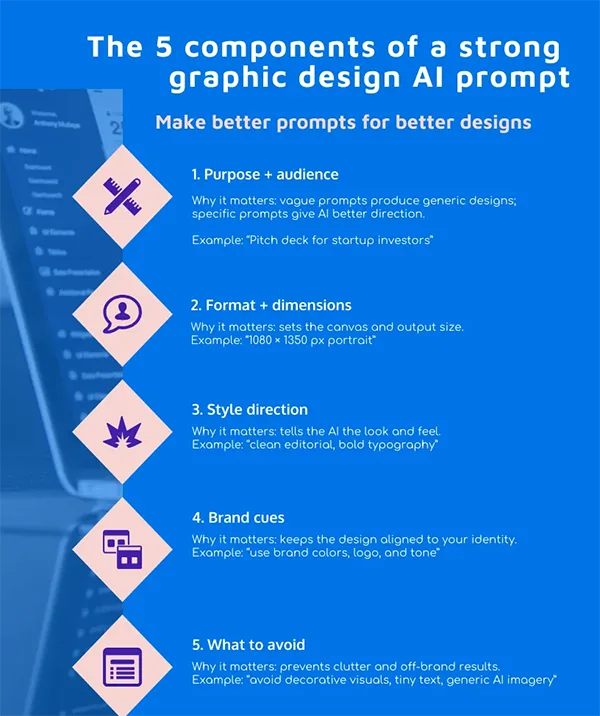
Follow this simple 5-component checklist for your next generations:
AI imagery can support numerous types of digital content. Bloggers can create article illustrations, marketers can develop social media concepts, educators can visualize abstract subjects, and website owners can produce custom graphics for landing pages.
It can also assist people in visualizing ideas that would otherwise be difficult or expensive to photograph. Interior concepts, fictional environments, product prototypes, and creative illustrations are examples where generated imagery can support early-phase development.
AI-generated images are not always ready for immediate publication. It remains important to review the:
Every brand also has a unique visual identity. Human editing can also help align the generated image with that. Adjusting typography, cropping an image, adding design elements, or combining AI-generated artwork with organic assets can produce a more polished result.
As AI image technology continues to develop, its most practical role may be as a creative assistant. It can accelerate ideation and production while leaving the final creative judgments to the person using it.
Text-to-image AI has made visual content creation more accessible, efficient, and flexible. From developing initial concepts to producing custom illustrations, these tools can help creators explore ideas and streamline their workflows. However, high-quality content still depends on clear creative direction, careful review, and human editing. Rather than replacing creativity, GenAI works best as a tool that supports it. By combining AI-generated visuals with human judgment and brand consistency, content creators can produce more engaging and purposeful digital experiences.
Text-to-image AI is a technology that generates images from written descriptions.
It helps content creators develop visual concepts, create article illustrations, design social media graphics, and explore creative ideas more quickly.
Effective prompts describe the main subject, setting, visual style, composition, lighting, and mood. Specific and relevant details help communicate the desired result.