It is highly recommended to download and install the profile using your home Wi-Fi network before you depart.

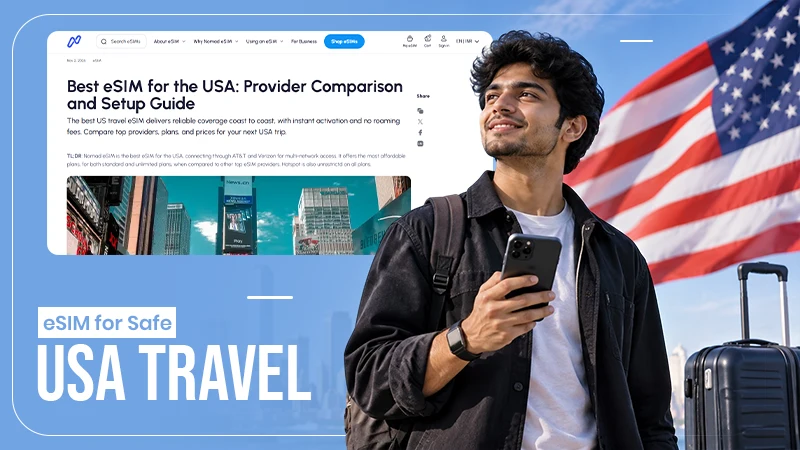
There are many companies offering data packages, great coverage, and lots of features. A great eSIM will offer good coverage, easy activation, great value for money, and plenty of data. The best USA eSIM offers network access plan flexibility and simple support during the trip. Visitors carrying a laptop, tablet, or phone can start with an eSIM plan for the USA that supports hotspot sharing.
Whether you are staying in the USA for a short break or longer, below are some key points to consider when choosing the best eSIMs for you.
Travel plans for the US run on major national carriers such as T-Mobile, AT&T, and Verizon. Metro areas and interstate corridors carry strong signal, and range thins across rural Montana and the road to the Grand Canyon. A quality supplier names the networks supporting each plan on the product page.
The way shapes the choice here. A visitor who stays in New York, Chicago, and Los Angeles finds solid service on any of those networks. A traveler making for national parks should hold the coverage map against the schedule before purchase. A plan that lists several networks gives the phone a congestion option in remote areas.
Data use varies broadly from one traveler to the next. A business visitor on hotel Wi-Fi uses a small amount across a work trip, and a family flowing shows in a rental car uses a large amount each day. Variable tiers let each traveler match the purchase to the actual trip.
Fixed bundles range from a small weekly plan to monthly plans and long-validity options. Day-based unlimited plans suit heavy broadcasters, with high-speed data that resets every 24 hours before speeds slow. Credibility windows deserve a look too, since a thirty-day window fits a road trip and a seven-day window fits a convention.
A substantial product sends a QR code soon after purchase and walks the user through a few simple screens. The plan starts once the phone associates with a US network on arrival. Travelers can read the initiation steps before purchase and install the profile at home over Wi-Fi.
Device consistency deserves the same quick check. Recent iPhone, Google Pixel, and Samsung Galaxy models support eSIM, and the supplier’s device list covers other brands. A call to the home carrier affirms the phone is unlocked. On arrival, the traveler switches on data roaming for the travel line and sets it as the cellular data line.
Headline prices tell part of the story. Smart sellers work out the cost per gigabyte and the cost per day before they execute. A plan sized to the full trip keeps that math simple.
Value shows up in the extras as well. Merchent with competitive travel data pricing publish clear add-on rates, so a tourist who runs low on day six knows the cost of extra data. A prepaid plan resolve the full cost at checkout, which helps avoid billing surprises after the trip.
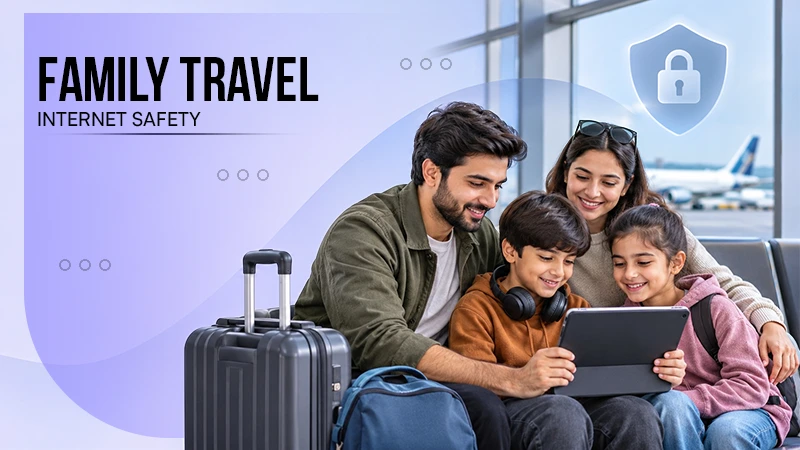
Manytourists pack a laptop, a tablet, or a smartwatch along with a phone. Each of those devices drag on a data signal during the trip. Hotspot support turns a single plan into a small private network for the whole group.
Families gain a lot from this setup. One parent buys a liberal data allowance and shares the connection across several devices. Freelancers get the same benefit during a layover, with a attached laptop on a private connection. Every connected device draws from the same bundle, so a general allowance suits heavy sharing.
Data can run low at an uncomfortable moment, such as a rideshare to the airport. For travelers who reach their limit partially through a trip, Nomad eSIM sells add-on data for many of its United States plans and sends a notification when data runs low. The add-on connects to the same eSIM and starts automatically once the original plan expires.
Assist sits close behind. A traveler landing in Dallas at 2 a.m. with an installation problem wants a fast reply from a real person or a chat channel. Acknowledgment times show up in review sections and travel platforms. A few minutes of reading before purchase shows how a provider handles problems.
A travel data plan entitled the same care as a hotel booking. The best USA eSIM for a given trip matches the route, the data needs, and the devices in the bag. Tourists who confirm the networks, the strength window, and the add-on rates set up a plan that fits the entire stay. Those checks take a few minutes at home before the flight. A well-suited plan then keeps maps, messages, and bookings running from arrival to departure.
It is highly recommended to download and install the profile using your home Wi-Fi network before you depart.
No, your smartphone must meet two criteria. It must feature native hardware eSIM support, and it must be carrier unlocked. Devices purchased on a monthly payment contract from a local network operator are often locked and will reject a foreign travel eSIM.
You need a standard 10 GB to 30 GB plan is more than enough for everyday tasks like navigation, booking ride shares, looking up restaurants, and checking emails.