Ans: A WMS helps with monitoring the exact location of the products, and lets the stakeholders: admin and customers know about it through messages or emails.

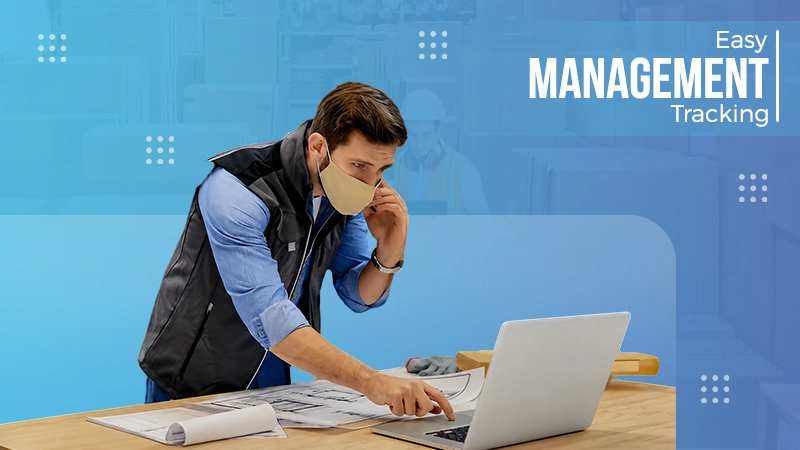
Manual tracking and management have always been tough, with so many variables to consider, on-time inventory tracking becomes a headache as organizations face many bottlenecks along the way.
Modernized technologies like AI, AR, and more have enabled businesses to transition to a warehouse management system for 3PL. These solutions allow for efficient management and understanding of current resources present, and also provide predictive analysis on when such resources might run out.
This article highlights the usage of a WMS for firms, how they bring ease and benefits, and why they should be used.
Key Takeaways
- These systems help in automating the workflows within the firms that are dealing with large-scale inventories
- An inventory management system helps with advanced scanning of the products using a barcode scanner and RFID, which is quite common these days
- A warehouse management solution helps with the smart tracking of sales and suggests to the business owners to take data-driven decisions
- By analyzing the data trends, administrators can now make more accurate decisions about the restocking of the products
A warehouse management system helps in automating the workflows within the firms that are dealing with large-scale inventories. It replaces manual errors and workload through automated processes. Even AI bots are there to answer the queries of the stakeholders in a timely manner and free up the resources to focus on other departments.
WareGo is a well-known inventory and warehouse management solution helping businesses manage their inventory and assist customers with all their queries promptly. They send them a notification whenever a product is running out of stock and should be restocked before demand is driven by the regular customers.
WareGo WMS provides the following benefits to the business:
A Warehouse management solution helps in:
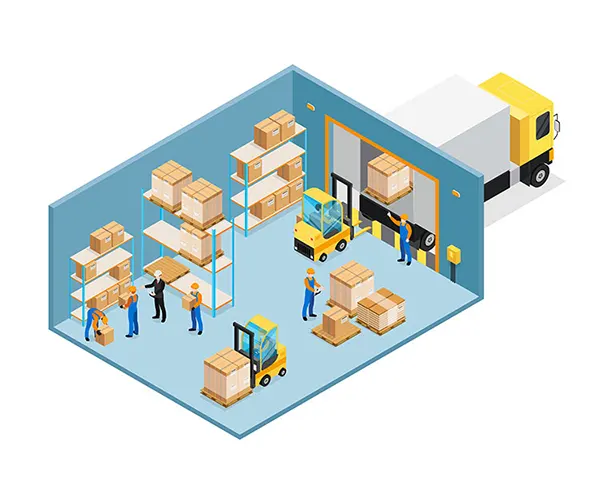
A WMS helps with monitoring the exact location of the products, and lets the stakeholders: admin and customers know about it through messages or emails. It ensures that staff never waste time searching for the desired product here and there in the inventory.
An inventory management system helps with advanced scanning of the products using a barcode scanner and RFID, which is quite common these days. Most of the supermarts are now doing barcoding to save time and get the product information on screen in a single scan.
If, as an SME or large-scale enterprise, you own multiple stores, then you should be tracking wisely in case of any mishap or misplacement of the products.
These were the sub-branches linked with real-time tracking of the products in the inventories.
The second attribute linked with a well-developed WMS is automated tracking of the products and adjusting the entire process without any bugs.
A warehouse management system allows the admin to keep periodic inventory checks to ensure the “cycle counts” while shutting down the daily operations.
It helps them to keep an eye on the revenue stream, and they can plan the next day or month’s strategy accordingly.
Next, it allows quick tracing of the SKUs, batches, and serial numbers of the products, which simplifies the quality control and meets the standards of the firms.
Most of the e-commerce firms are now following these footprints to create a better yet amazing pathway to maintain transparency and uniqueness in the product placement and tracking.
Fun Fact
WMS slotting algorithms know the precise size, weight, and historical demand of every item. They tell operators exactly where to place different products to speed up future orders.
A human can never deal with 1000+ entries in a day, and if they do, then there will be high chances of errors.
With AI-powered bots, the data entry is done by them, replacing humans in the most accurate way. Accuracy is maintained, and the data is kept secure from all kinds of unauthorised access.
WMS helps in streamlining the inventory core operations quickly:
A warehouse management solution helps with the smart tracking of sales and suggests to the business owners to take data-driven decisions. It helps them send automated alerts whenever the stock drops below the determined range.
By analyzing the data trends, administrators can now make more accurate decisions about the restocking of the products, preventing the expensive overstocking or even damaging the stockout.
Lastly, cleaning inventory data from any adjustments helps in optimizing the holding levels, freeing up the capital, and reducing the overall cost for better results, and storing the data.
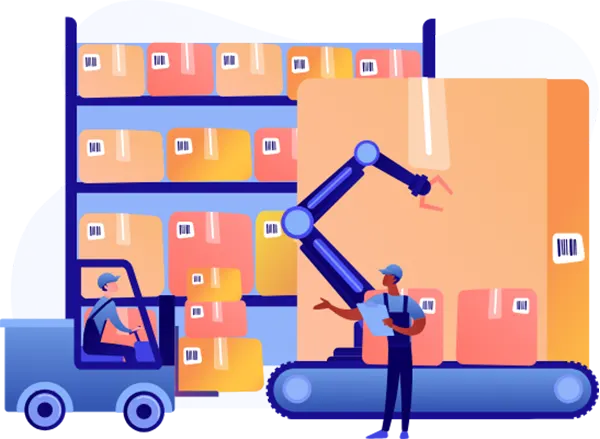
Lastly, the Warehouse management software helps with efficient fulfillment of orders, such as:
The warehouse management software directs the drivers working with the firm to the most efficient routes that take them to the location in less time.
Many apps actually put focus on this domain as drivers lack the ability of getting the accurate route that takes them to the right location.
All of the parcels taken by the drivers are highly fragile and should be taken with complete care. Whereas a warehouse management system allows them to maintain the privacy of the products in the inventories, and deliver them smoothly to the customers.
And we are done for the day. We hope you all read about the key factors associated with the design and development of a warehouse management system. How these systems are adding benefits to the workflows and working with a smooth process, leading to optimal working.
Whether it’s ecommerce, design, or healthcare facilities, all businesses opt for a warehouse to keep their items. For healthcare, they need a frozen space for keeping the medicines in bulk and take it directly from the fridges in case of any urgency.
Ans: A WMS helps with monitoring the exact location of the products, and lets the stakeholders: admin and customers know about it through messages or emails.
Ans: The following processes can be automated:
Ans: Yes, the warehouse management software directs the drivers working with the firm to the most efficient routes that take them to the location in less time.
Ans: Yes, company information is much more secure on this software, as they come equipped with various safety features and cloud integration, allowing for easy data storage and access.