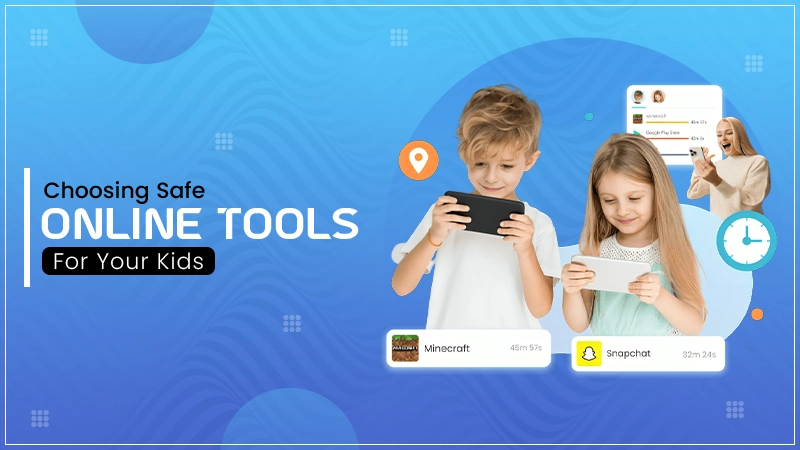
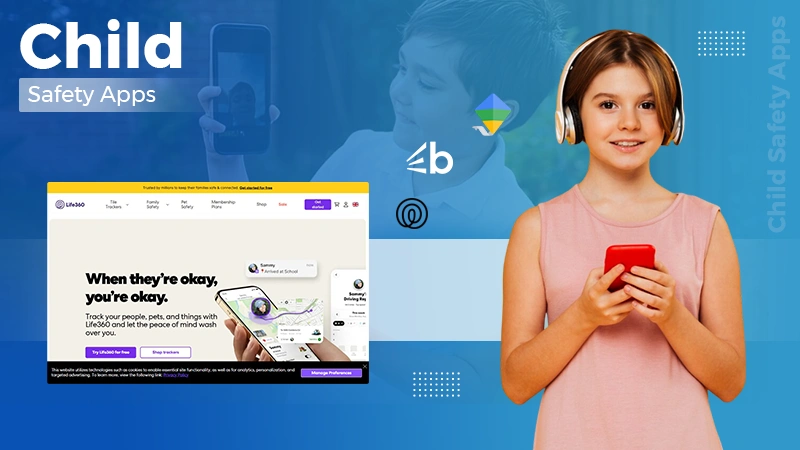
Some of the best mobile monitoring apps for children are Qustodio, Bark, and Google Family Link.

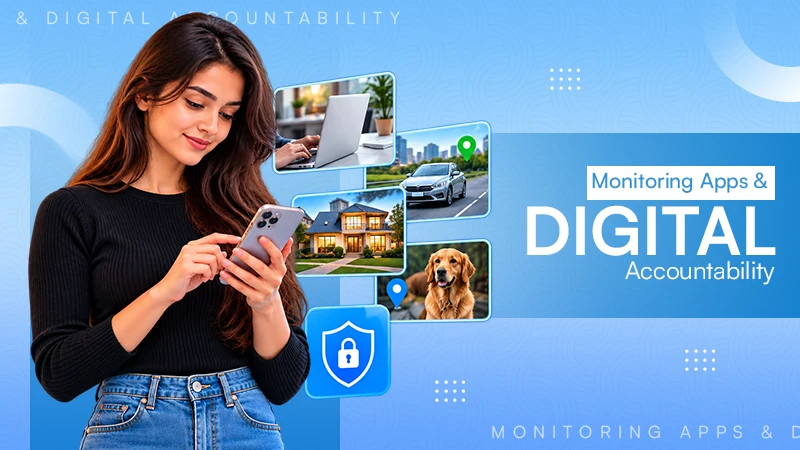
In today’s world, digital tools are becoming a new normal. Children are the ones who are most influenced by digital tools and are also vulnerable to fraud and cyberattacks. Parental control gives parents an opportunity to keep an eye on their child’s activity.
The features of a parental control app include location tracking, screen-time limits, device-data access, and screen monitoring. But in this article, we will understand that monitoring apps are not only tools for parents who want to protect their children.
Employers use monitoring apps to track their employees’ attendance, track time, review website activity, and protect company information. These tools become more common because of remote and hybrid working arrangements.
Employee monitoring may reveal workflow problems or help organizations identify security risks.
If employees are under constant observation, it helps encourage them to look busy instead of actually doing the meaningful work. Clear policies, limited data collection, and open discussions can make digital accountability feel less like hidden surveillance.
A fair monitoring policy should give meaningful results instead of just mouse movements, keystrokes, or hours spent online. Also, if you provide employees access to their own work, it helps them correct errors and understand how collected data may affect workplace decisions.
A supportive environment, like Sober Living Home California, enables people to focus on sobriety without outside-world distractions.
It leads to fruitful results for individuals recovering from alcohol or drug dependency.
Monitoring apps also complement human support by helping people recognize their patterns between stressful situations, cravings, and changes in behavior.
If monitoring apps are recovery-focused, they can record moods, cravings, sleep patterns, meeting attendance, and personal milestones. These tools let users contact peers or counselors when warning signs begin to appear.
Alerts can provide an opportunity to pause and seek support before a difficult moment becomes a setback to a person who is in recovery.
That’s why technology should be treated as a supporting resource instead of a replacement for counselors, peers, or recovery communities. Forced monitoring can weaken the trust required for lasting progress; voluntary use goes a long way.
Families are increasingly using monitoring apps to help older relatives live safely at home. Medication reminders, fall alerts, health tracking, and shared calendars can reduce practical pressure on both older adults and caregivers.
If interfaces are easier and privacy controls are clear, it helps more people use these tools confidently.
Every monitoring decision should respect independence. An older adult may welcome a medication alert while feeling uncomfortable with cameras or continuous location tracking.
Families should be the ones who allow what information is collected, who can view it, and when an alert requires action. Shared decisions help in monitoring to offer reassurance without eliminating personal dignity.
Monitoring apps can provide a layer of support for people who are commuting late, hiking alone, or visiting unfamiliar places. Users can share a live location with their family or friends, schedule check-ins, or trigger an alert when they fail to arrive by an agreed time.
These are the kinds of features that turn a smartphone into a safety companion without requiring continuous supervision.
A traveler wants tracking only for a short duration of a journey. And he will allow a friend to respond quickly if plans change unexpectedly; also, emergency buttons can send location details when making a call is difficult or unsafe.
Effective use needs preparation, as users should test alerts, confirm who receives them, and keep devices charged. That’s why temporary sharing keeps the arrangement focused on safety instead of routine observations.
Monitoring apps can help strengthen accountability in many areas. But the thing is, access to more data does not automatically create better decisions. Employers, families, partners, and recovery communities should use these tools openly and only for an agreed purpose.
Some of the best mobile monitoring apps for children are Qustodio, Bark, and Google Family Link.
Digital Wellbeing helps in building a healthy and safe relationship with technology, so that it doesn’t drain your energy and protects you from cyber fraud.
Some of the examples of digital wellness are screen time management, notification control, and mindful consumption.