The dangerous shift that your kids face while scrolling through photos and videos do end up looking completely real, but they never actually happened. AI-generated content is all around us, and telling it apart from the real thing is getting tougher every day.
A person doesn’t need to be a digital forensics expert to know the difference. They just need to be aware of certain methods that allow you to verify what you’re looking at, be it visual tells or something weird going on with the image.
This guide shows how you can spot AI images, videos, and scams that piggyback on both, allowing users to know the difference between real and fake.
Key Takeaways
AI images and deepfakes are now convincing enough to fool most casual viewers.
Learning how to spot AI content takes minutes, not hours.
Common tells include weird hands, mismatched jewelry, and glassy skin.
Reverse image search is still your fastest verification tool.
Your kids need media literacy just as much as they need screen time limits.
Why Learning How to Spot AI Matters More Than Ever
A few years ago, AI-generated images were easy to catch. Faces were melted. Hands had seven fingers. The text in the background looked like alien script. You could spot the difference in about two seconds.
That gap has closed. Fast.
Today’s models produce photos and short videos that pass the casual glance test. Your kids see these on TikTok, Instagram, YouTube, and Discord every day. Some of that content may just be harmless creativity, but some of it is definitely targeted misinformation, financial scams, or manipulated images of real individuals, or even classmates.
The stakes are much higher for kids than for adults. Teens are more likely to believe visual content, share it before verifying, and remember what they see about body image, celebrities, and current events.
Learning how to accurately spot AI content is now a core online safety skill, right alongside strong password generation and privacy settings.
How to Spot AI Images: The Telltale Signs
Most AI images still indicate clues if you slow down and analyse the image carefully. Here are the seven obvious signs that come up most often when you’re figuring out how to spot AI images on the internet:
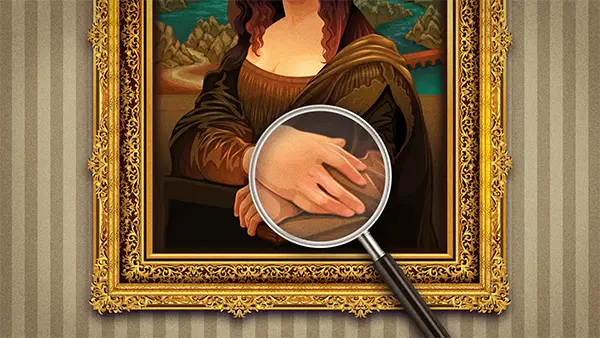
Check the hands and fingers. Extra digits, fused fingers, or hands that curl unnaturally are still the number one giveaway.
Look at the eyes. AI often produces glassy, slightly asymmetric eyes with reflections that don’t match the light source in the scene.
Zoom in on jewelry, glasses, and earrings. Earrings that don’t match, glasses with warped frames, or necklaces that vanish mid-chain are dead giveaways.
Read any text in the background. Signs, book covers, and t-shirt slogans often turn into gibberish or half-formed letters.
Study the skin. Overly smooth, poreless, or waxy skin is a red flag, especially on adults who would normally show texture.
Look at teeth. AI struggles with rows of teeth. You’ll often see fused, uneven, or oddly shaped teeth in AI portraits.
Scan the background for melting objects. Straight lines that bend, patterns that don’t repeat properly, or objects that blur into each other all point to AI generation.
No single clue is a smoking gun. You’re stacking evidence. Two or three of these together, and you’re almost certainly looking at AI.
Pro Tip
AI objects often merge or blend with the walls. Look for melting edges and disconnected shapes in the rear of the image.
How to Spot Deepfake Videos
Deepfakes are still trickier than static images, as frequent motion often masks flaws. Still, you can catch many mistakes by watching for a few specific patterns:
Watch the blinking. Real people blink every 3 to 5 seconds. Deepfakes often blink too little or with weirdly stiff timing.
Check the mouth. Lip sync in deepfakes is close but rarely perfect. Watch for teeth that don’t move naturally or a jaw that stays too still.
Look at the edges of the face. Blurry or pixelated boundaries where the face meets the neck or hair are classic deepfake artifacts.
Listen to the voice. AI voice cloning has come a long way, but you’ll still hear robotic pauses, flat inflection, or slight audio glitches on longer clips.
Check lighting consistency. If the light on the face doesn’t match the scene, the face was probably swapped in.
Any short clip going famous of a public figure saying something outrageous deserves an extra minute of concentration before you or your kids end up spreading misinformation.
Free Tools That Help You Verify What’s Real
Your eyes are the first line of defense. When you’re not sure, a few quick tools can settle it fast.
Reverse image search
Google Images, TinEye, and Bing all let you upload an image and see where else it appears online. If a shocking photo has zero history before yesterday, that’s suspicious.
Metadata checkers
Sites like FotoForensics analyze an image’s compression patterns and can flag manipulation.
Dedicated AI detectors
These scan an image for the mathematical fingerprints AI models leave behind.
A reliable AI image detector provides you with a probability score in just a few seconds, which is enough for most parenting decisions about whether a photo is worth trusting or not.
Browser extensions
Several free extensions flag suspected AI content directly in your feed, which is useful if you or your kids scroll social media heavily.
None of these tools is perfect. But combined with your eye and a bit of common sense, they’ll catch the vast majority of fakes. Pair them with the safety apps every kid should have on their phone for a stronger overall setup.
How to Talk to Your Kids About AI Content
A lecture won’t stick. A conversation might.
Start with something they’ve actually seen. Pull up a viral AI video or image on your phone and ask them what they think. Kids are often more skeptical than adults give them credit for, and the exercise lets them show off what they already know.
Then teach the framework. Real things have a history. Ask three questions of any surprising image:
Who first posted it?
Does it appear on any trustworthy news source?
Does it match what you already know about the person or situation?
That structure works for most AI images, deepfakes, and everyday misinformation. It also creates a habit that carries forward into their conversations with AI chatbots and companion applications, which are becoming just as common as scrolling.
Set the expectation that they can always send you a suspicious image without judgment. The moment they feel embarrassed about asking, they’ll stop asking.
Red Flags to Watch For in Everyday Feeds
Beyond the visual tells, certain patterns should trigger extra caution:
A shocking claim posted by an account you’ve never heard of.
An image or video with zero comments from real people who know the subject.
A caption that pushes strong emotion, especially anger or fear.
A face that appears in a totally new context with no supporting news coverage.
A DM containing an image of someone you know in a strange situation.
That last one has become a real problem for teens. Fake images and manipulated screenshots are being used for bullying and extortion. Knowing how to spot AI images gives your kids a defense, but so does an open line of communication with you about it, backed by smart AI-powered parental controls that can flag risky content before it reaches them.
The Bottom Line
AI content isn’t going away. In fact, it will soon be harder to spot. But the fundamentals remain strong.
Slow down. Check the hands. Check the eyes. Reverse-search the image. Inquire where it came from. Teach your kids to do the same, and you’ve handed them a skill they’ll utilize for the rest of their online lives.
Knowing how to spot AI is quickly becoming as essential as knowing how to spot a phishing email. Practice it once a week, together, and it becomes second nature for the whole family.
FAQs
When should children be taught to recognize AI content?
It is a good idea to start teaching kids about recognizing AI-generated content when they are between 8 and 10 years old. At this age, children begin to consume media independently. They should know that some of the pictures available on the internet are not real and that they need to ask an adult about any information that they may find surprising to them. On the other hand, older teenagers are already able to understand the entire framework of detection.
Are AI detection tools reliable enough to be trusted?
AI detectors can be useful, but they are not infallible. High-quality AI detection tools will catch most of the obvious cases; however, the best generators can fool the tools in half of the cases. It is recommended to treat detection results as one of the pieces of evidence rather than the only one.
What should parents do if children unintentionally share deepfakes?
Use the situation to educate them. Ask the kids to help you find where this image came from and then analyze the image.