AI images might include labels or other interface elements that do not exist on the actual device. Checking them helps to avoid frustrations.


Quick answer: Seedance API Online and generated settings crops are only useful when they relate to the real device. Verify the Screen Time toggle and content-filter labels are reliable and useful. For kids-safety content, a real screenshot is usually the safest choice when the main concern is about accuracy.
When the concern is about creating content about kids’ device settings, accuracy plays a more important role than the visual looks. A settings image can seem convincing while still showing a menu, toggle, or some other label that has to do nothing with reality.
Watermarks can expose other issues by covering some information parents need to read. For this kind of content, it is requested to check every generated crop against the final article.
Keep reading to explore how Seedance SPI online flags watermarks on kids’ settings crops.
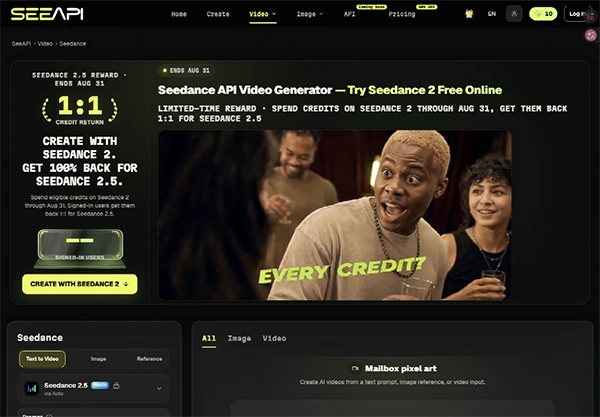
A settings crop has a concise job. It must show one Screen Time toggle, one filtering element label, and the same menu names a parent will come across on the device. When a generate step draws a prettier switch, or places a row the OS does not have, the user guide becomes a second product. The thumbnail still looks like a phone. The parent who presses Settings does not access that row.
That miss exceeds a same-day window. The writer has already outlined the steps. The designer has already placed the crop. A reader complains that the toggle is not there. The piece goes back. The afternoon is gone. A safety desk cannot devote that time to conversations about cinematic language. It has to specify whether the crop is a citation or a drawing. Minutes from the first comment to the adjustments, the briefing has already passed along one wrong menu to whoever found it on a school-night phone.
Invented chrome is more costly than a soft screenshot. A soft screenshot still takes aim at the real panel. A generated row initiates a parent into a hunt. They will browse every Screen Time screen looking for a search query that was only ever a render. That hunt is alterations the desk now owns, even if the caption was meticulous. The object has to be the crop the device can still depict.
SeeAPI is useful here only as a place where the disabled settings still, the next generate, and the disallow note can function in one history. The public path is try online: pick Fast, Quality, or Lite, write the prompt, bind the crop, generate, and compare. For this desk, likeness is the whole job. Motion is optional. Original chrome stays a briefing that cannot ship, whatever the style note states.
Also, learn how API-driven checkout and billing protects your family’s online transactions.
The second kill is more subtle. The chrome is real. The Screen Time toggle aligns with the device. Then a trial symbol sits on the content-filter label. At phone-preview size the mark looks like a faint stamp. At article scale, it covers the word “parent” came to read. The crop looked clean until someone tapped it next to the live settings panel and could not preserve the label.
Free work on the platform is ten times a month. Those packages stay watermarked. They also stay locked to the SeeAPI provider. That is fine for an indoor sketch. It is not fine on a kids-safety screenshot. A parent who sees a vendor stamp on a Screen Time crop will refer to the whole figure as an ad. The explainer never showed up in desks that already received that lesson the hard way. The file is put away. The still photo of the current panel stays.
Do not “crop deeper to hide the mark.” Tightening is how a content-filter label breaks a letter, and how a toggle loses its on/off state. The watermark is a pattern problem, not a crop you can tighten away. The free path is allowed to mark the file. A parental counselor cannot publish that mark. The old brand-deal watermark fight is a standalone file, where a stamp ruins a creator handoff zip. The stamp here lies on a kids-safety screenshot. Parents will screenshot the article and send it to a co-parent. If the stamp travels with the crop, the family chat now looks like a vendor badge on a Screen Time label. The guide has left the site and is still wrong.
Open the generate and the source crop at the width the article will utilize. If a parent cannot read the filter description, the file does not enter the briefing. Soft light on the outer edge can stay. A letter eaten by a stamp cannot. That single rejection is cheaper than a correction after school pickup, when the comment thread is already showing the wrong menu.
The paid path is the one that coincides with this job. Paid exports can be HD, watermark-free, marked for commercial use, and kept a secret. A kids-safety crop is not a brand-deal handoff, but it still has to exit the building without a trial stamp and without a complementary menu the device does not own. SeeAPI is the account that oversees both paths. The desk has to determine the path before it records the caption.
Free stays useful for a skip that still needs a date in the folder: does this prompt define a toggle, yes or no. Once the still is honest, stop placing free marks on a picture that will sit under a headline about a child’s phone. Switch to the paid encrypted path. Then produce again from the same locked crop. Compare. If the watermark is gone and the chrome still appears identical, the file can enter layout.
Until 31 August, worthy Seedance 2 spend can return 1:1 as permanent Seedance 2.5 credits after launch. That message only helps a safety desk if today’s debit is a crop that could readily publish, not a doodle of a gorgeous Settings app. SeeAPI does not publish the explainer. It embraces the still and the path.
Ten watermarked generations a month, SeeAPI provider only: that is the no-cost wall. Use it to see whether a prompt initiates a row. Do not treat it as the file that goes to the CMS. Paid is what gets rid of the stamp and keeps the crop off a public sample wall. If the short version needs a projection of how parents will copy, budget the paid path first. Do not pick up the stamp at proof.
Comparison is three tests on one still. Does the Screen Time toggle still sound like the device. Does the content-filter label consistently read? Did the generator invent a row, a badge, or a second toggle? If any check fails, the file is rejected. The source crop survives. The caption is rewritten around the photo you already had, or the piece appears without a motion figure.

Set up that check at article width, not inside a generated thumbnail. A mark that appears like grain in a square image will sit on the filter word in the published crop. A row that reportedly looked like “cleaner UI” will send a parent into a navigation bar that is not there. The first display is not the publish surface. The article is.
Keep a short discard list on the same note as the source crop. The intern should be able to remove a file without a design meeting. Place the official settings still as the image outline before you generate. A text-only prompt will create chrome because it has no panel to follow. The evaluation step is then a waste: you will be rating a drawing against a device the drawing never could have used.
Also, learn how to set parental controls on devices and gadgets that we use daily.
In the end, the best approach is to consider generated settings images as drafts until they are verified against the real device. An invented or self-created menu item or a watermark covering some crucial detail or important label can easily turn a helpful parental guide into a misleading one.
When accuracy and readability do not survive the comparison, the real settings screenshot is a great choice.
AI images might include labels or other interface elements that do not exist on the actual device. Checking them helps to avoid frustrations.
Yes, a watermark can cover critical labels, which can lower its usefulness in a parental guide.
Make sure the toggle matches the real device, labels remain readable, and no watermark covers any important information.