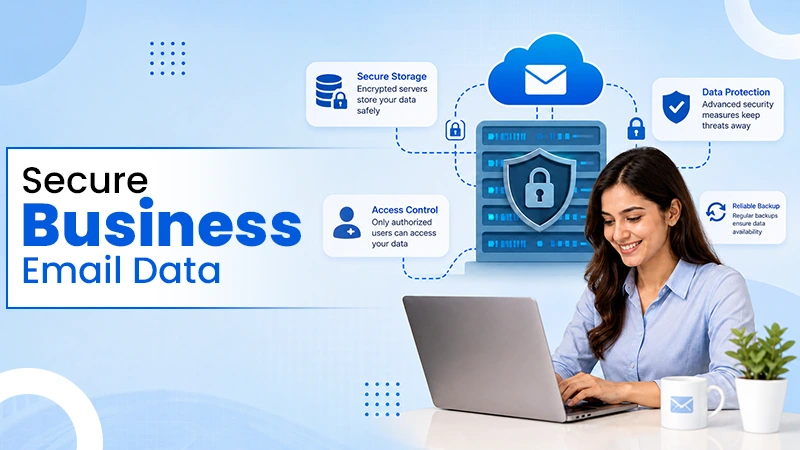
A digital estate has your online accounts, financial records, cloud-stored photos, subscriptions, and other digital assets.


Most parents place physical birth certificates and property deeds safely locked away in a fireproof safe, yet they completely ignore their digital existence.
Modern family life relies on the internet, spanning banking portals, cloud photo libraries, and recurring utility subscriptions.
Without a specific digital estate plan, surviving family members can face drawn-out legal hurdles, account lockouts, and irrecoverable losses of cherished memories during an already difficult period.
A family’s digital estate saves far more than just social media profiles. It includes every online access point related to your financial and personal life.
Key components range from net banking credentials and investment dashboards to cloud storage folders containing decades of irreplaceable group photos.
Hardware security controls such as passcode locks, password manager master keys, and two-factor authentication devices also lead to these assets.
Cataloging these items into a safe inventory ensures loved ones can navigate your online footprint smoothly without resorting to complicated legal interventions.
Managing household finances demands clear digital pathways for mortgage accounts, tax records, and insurance dashboards. But when auditing online financial assets, guardians often forget that policy ownership can shift.
For example, life insurance policies refer to distinct personal property. And under appropriate circumstances, an unwanted or underperforming policy can be sold for immediate cash value.
Using a licensed life settlement company that strictly adheres to HIPAA and privacy law helps ensure the confidentiality of your essential data while evaluating legacy options.
Documenting access protocols for insurance portals alongside banking credentials makes sure that surviving trustees can execute claims or handle account transfers without administrative delays.
Estate planning statistics show that a vast majority of adults still lack clear digital instructions in their estate documents. What many don’t know is that major tech platforms now provide built-in legacy tools, even though their features differ widely.
Apple’s Legacy Contact and Google’s Inactive Account Manager let users designate trusted individuals who can request account access or data downloads after a long period of inactivity.
Setting up these useful platform permissions ahead of time prevents surviving relatives from dealing with strict terms-of-service restrictions or costly court orders just to recover essential family archives.
Digital estate planning also includes establishing protective measures for young children while preventing ongoing financial drain.
If both parents pass away, named guardians require immediate instructions to manage the kids’ educational portals, gaming accounts, and online identity responsibilities.
Halting recurring automated payments like streaming and app subscriptions is equally important to prevent unwanted bank overdrafts. Organizing these digital commitments early so caregivers can focus on family well-being instead of chasing down rogue recurring charges is part of smart parenting.
Many modern parents see themselves in the “sandwich generation,” managing their children’s digital safety while simultaneously assisting old parents with online tasks.
Elder estate planning needs establishing legal authority—such as a power of attorney that explicitly incorporates digital asset clauses—before cognitive decline happens.
Recent legal analysis shows that standard financial powers of attorney rarely give agents statutory authority over online password vaults or encrypted texting apps.
A centralized, secure credential ledger for senior citizens allows designated caregivers to manage healthcare portals and pension payouts efficiently when intervention becomes necessary.
Depending on handwritten notebooks or shared text files for passwords introduces serious security weaknesses. Modern estate plans leverage end-to-end encrypted password managers that provide emergency access features.
These tools allow a specific recipient to request access, granting it automatically if you do not deny the request within a particular waiting period.
Storing master keys and emergency kit recovery codes with your physical legal documents makes a secure bridge between your offline estate plan and your online life.
Taking proactive control of your digital footprint protects your family from unwanted administrative stress and preserves your digital legacy.
Keep password vaults organized, assign legacy contacts, and update legal documents. These measures keep your online assets protected across generations.
With a clear plan, your loved ones can focus on supporting each other instead of navigating locked accounts.
Explore more articles and practical tips on family financial planning if you believe this guide provided valuable insights.
A digital estate has your online accounts, financial records, cloud-stored photos, subscriptions, and other digital assets.
Parents can protect their digital legacy by taking actions like creating a secure inventory of important accounts and using an encrypted password manager.
Family members can access digital accounts after someone’s death by following each platform’s official legacy or deceased user process.