It’s not safe to share your contact digits with any entity that you don’t completely trust. Verifying their identity also matters.

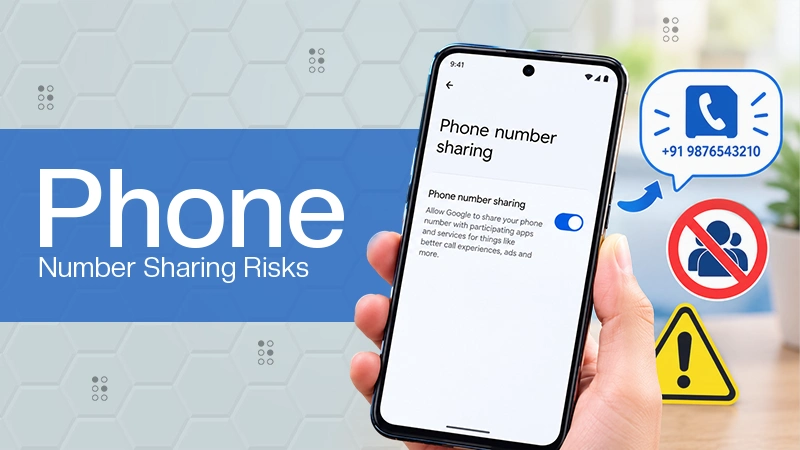

Quick Answer: Parents are usually unaware of what their children do online. Most assume that their kid is either playing games, watching videos, or just studying. All of these activities usually require an account to be created on a particular platform. And that usually involves providing a phone number. Knowing its dangers, adults are hesitant to share their digits. Children, however, aren’t. Over time, their number is registered across various platform databases. In addition, other pieces of personal information also get attached to the digits. With data leaks every week, the chances of that info falling into the wrong hands are high. You start to get bombarded with spam and phishing attacks. Therefore, teach your child the importance of contact number safety. Also, when it can be replaced with a temporary or virtual one, such as GetTempNumber, which can help keep each new online activity separate from your main number.
Unfortunately, when a data breach occurs, users are often the last to learn about the incident, after their digits have fallen into the wrong hands. At that point, both the number and its owner may face a variety of consequences.
First, spam is only the first level of danger. Promotional SMS and calls are annoying, but messages designed to gain your trust are much more dangerous. For example, a “delivery service” may ask you to confirm your address, a social network may ask you to restore your account, and a gaming platform may ask you to go to a link to claim a reward. The purpose of such messages is to put the victim in a state of emergency. Cyberattackers don’t give them time to act or think about verifying who sent the message.
Also, SMS verification codes can also pose a risk. These codes can be used to log in to an account or regain access to it. Therefore, you should never share your password or verification codes with anyone who could use them for malicious purposes. The best way to receive SMS codes is to rent Non-VoIP numbers through CodesSender.
Phishing attacks have a common modus operandi:
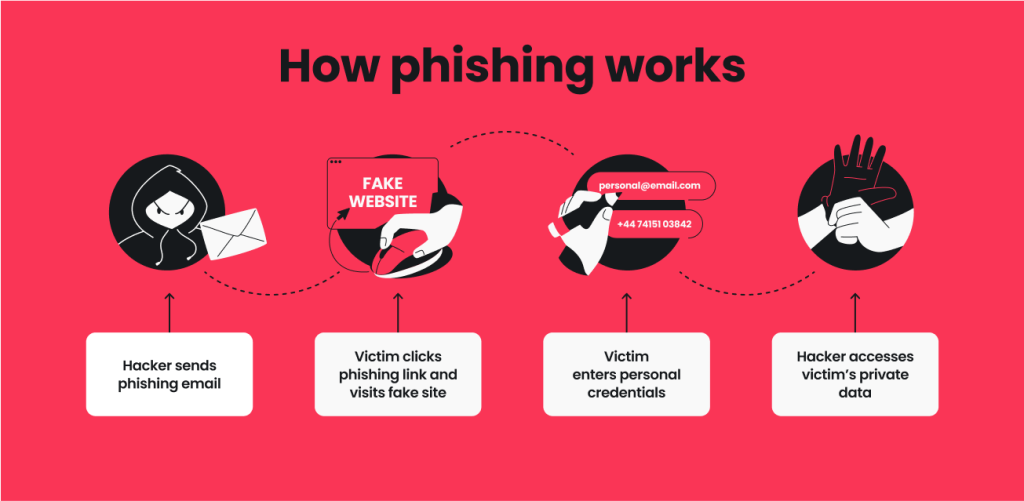
Also, children, unlike adults, are especially vulnerable to such scenarios. Let’s imagine a teenager who provided a phone number to claim a gaming bonus. A few days later, they receive a message about their “win” with an urgent request to click a link. For an adult, the signs of a scam may be obvious, and a child may see the text as a legitimate follow-up to the action they took earlier.
Therefore, digital security begins not only with account protection, but also with making careful decisions about whom to share your contact information with, when to share it, and why. This should go hand in hand with strong passwords, privacy settings, and parental control tools, as well as routine conversations with your child about online safety.
One of the most practical and secure ways to register on various online services is to use temp or virtual numbers. Temp digits are not used for long. For example, just for registration and receiving an SMS verification code. A virtual number also allows you to keep your primary digits private, but works through an online service instead of a physical SIM card.
These options especially help in situations where:
The benefit is obvious: your primary number remains separate from one-off registrations. If the service starts sending promotional messages or its database is compromised, it will not necessarily impact your everyday communications.
Talk to your child about digital safety. It is important to give them clear rules they can follow on their own.
The goal is not to ban a child from using the Internet. Just teach them what can be shared with a platform and what to keep private. This habit helps build good digital hygiene.
A kid does not need to know every scam to stay safe. It is enough to teach them one simple rule: not every website, game, or stranger needs to have their phone number.
The less personal data a child shares unnecessarily, the fewer opportunities attackers have to misuse it. And a temp or virtual number, in appropriate cases, helps separate your child’s online registrations from the family’s personal contact information.
It’s not safe to share your contact digits with any entity that you don’t completely trust. Verifying their identity also matters.
It empowers cybercriminals to steal your identity, hack your accounts, and target you with scams.
No, they cannot. But that shared contact number can surely play a part in the eventual online attack.