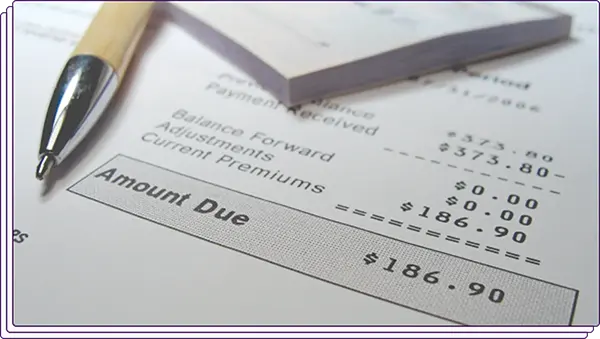
Quick Answer – For the first job, proof of income can be a payslip, employment offer letter, bank statement, or any contract if signed. If you have no offer letter or a joining letter confirming your joining date and salary, a signed employment agreement or a bank statement showing salary deposit is considered relevant proof.
Landing a first job is a huge milestone. Whether a teenager is applying for their first apartment or upgrading a bank account, someone will eventually ask for proof of income.
Knowing about pay stubs, W-2s, 1099s, and bank statements can save a lot of confusion and stress. The good news is that proof of income comes in many straightforward forms, and understanding what each shows makes the whole process simple.
This article outlines what documents count as proof of income, how to read and verify pay stubs, and why financial literacy matters for young workers.
What Documents Count as Proof of Income?
Proof of income is any official document showing what you earn. To put earnings in perspective, Fidelity notes that the median weekly wage for full-time U.S. workers reached about $1,235 in early 2026. It’s a useful benchmark for understanding where an entry-level paycheck sits.
The documents that verify these earnings include:
Pay stubs: The most common proof, showing earnings for a specific pay period.
W-2 forms: An annual summary of wages from a traditional employer.
1099 forms: For freelance, gig, or contract work.
Bank statements: Showing deposits when other documents aren’t available.
Which one you require depends entirely on who’s asking and what kind of work you do. For many first jobs, a recent pay stub is the quickest and most widely accepted option.
How Do You Read and Verify a Pay Stub Correctly?
Pay stubs are the workhorse of income verification, but they confuse a lot of first-time earners. Here’s how you can read and verify it:
Gross Pay vs. Net Pay
The most common source of confusion is the gap created between gross and net pay. Gross pay is what is earned before anything is deducted, while net pay is what gets credited in your account after all the deductions.
Understanding Deductions
The amount subtracted from your gross pay covers several things. Here are some deductions:
Federal and state income taxes
Social Security and Medicare (FICA) contributions
Any benefits or retirement contributions you’ve opted into
Those deductions explain exactly why your total pay is lower than your headline wage. Reviewing both pay periods helps you catch mistakes early.
Checking for Errors
Pay stubs aren’t immune to mistakes. A clear, plain-English pay stub guide or a reliable pay stub maker that lays out each component correctly makes it far easier to understand the core parts of a stub and spot when something looks off. Checking your stub against your own record of hours worked will help protect your earnings.
Why Does Financial Literacy Matter for Young Workers?
Understanding proof of income is a key part of financial literacy, especially for young people. According to the American Bankers Association, nearly 87% of consumers believe financial concepts should be taught in high school. Most of these consumers say they’d be better off today if they’d learned the basics sooner.
For teens, financial responsibility also comes with a privacy dimension:
Income documents contain sensitive details like full names and addresses.
Sharing pay stubs online or over unsecured messages invites identity theft.
Only provide financial documents to verified, legitimate requesters.
Protecting that sensitive information is just as important as earning it. For younger workers, especially, parents play a huge role in guiding safe habits. Setting up parental control on your kid’s device helps ensure sensitive financial documents aren’t shared carelessly.
Build Your Financial Confidence With Your First Paycheck
Proving your proof of income doesn’t have to be intimidating. With the right document, often a pay stub, W-2, 1099, or bank statement, students and young workers can easily verify their earnings for rentals, scholarships, and account upgrades alike.
The real win is understanding what these documents mean. Master this information early, and you’ll navigate every future financial milestone with confidence. To learn more about internet safety, visit our website.
FAQs
Q1) What is the privacy dimension associated with financial responsibility?
Ans: The following are the privacy procedures associated with it:
Income documents contain sensitive details like full names and addresses.
Sharing pay stubs online or over unsecured messages invites identity theft.
Only provide financial documents to verified, legitimate requesters
Q2) What are the documents that verify earnings?
Ans: Pay stubs, W-2 forms, 1099 forms, and bank statements verify your earnings depending on the work you do and what is asked of you.
Q3) What is the difference between gross pay and net pay?
Ans: Gross pay is what is earned before anything is deducted, while net pay is what gets credited in your account after all the deductions.