To avoid cross-border fees, use a zero-fee card, pay in local currency, open local bank accounts, and use multi-currency platforms.


Online shopping has now made everything simpler and easier. One can buy products from international retailers even while sitting in any corner of the world. It doesn’t matter whether you’re ordering specialty items, digital subscriptions, or products unavailable locally; you can buy from overseas merchants, and they offer greater choice and convenience.
But there’s a thing: many consumers get surprised by the hidden charges that appear at the very end of the shopping process. Currency conversion fees, foreign charges, and other border costs can significantly increase the final amount paid. So, knowing where these charges add up can help buyers be more cautious with their spending decisions.
In some cases, a retailer’s international nature isn’t reliable. Retailers may run websites in a local language, use local pricing formats, or use country-specific domains while doing online transactions in other countries.
After finishing a purchase, buyers should look closely at the payment currency and any conversion notices the system may have shown. Many shoppers also get advantages from learning how cross-border payment tools and merchant-offered currency conversion options work before completing transactions. Understanding the different conversion alternatives makes it easier to assess charges and prevent unpleasant surprises.
One of the main reasons why people get billed more than assumed is that they have misread the price tags. A price that looks fair might often be in a foreign currency.
Double-check whether the amount you have to pay is in local currency or another currency before paying. Although many online stores provide conversion to local currency, the chosen currency is not always retained at checkout. Checking the final screen carefully before submitting your payment can avoid many mistakes.
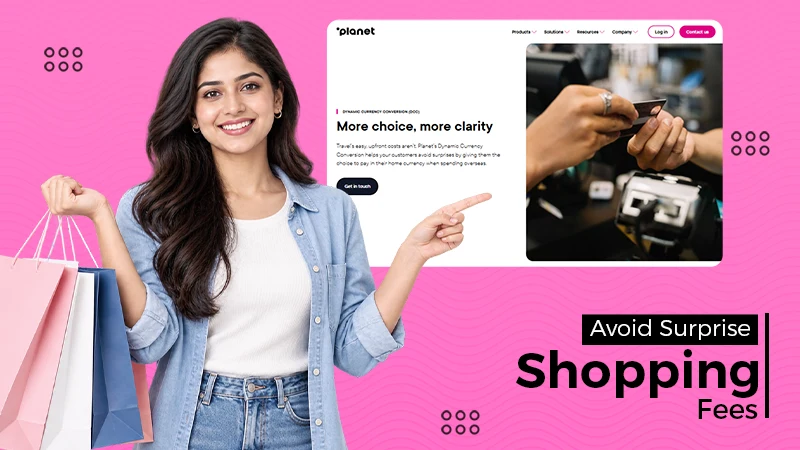
Some retailers and e-commerce sites allow you to convert the purchase price to your home currency at checkout. This method is often referred to as Dynamic Currency Conversion.
Despite the apparent convenience, it’s advised to check all relevant information if you plan to select this option. The merchant’s currency-conversion rates may vary from your card provider’s. Knowing both options will help you decide what works best for you.
Digital tools are now standard in banking and the financial industry, letting customers monitor their card use. These features are especially useful for overseas purchases.
Transaction alerts notify users when money is debited from their accounts, and spending controls may let users restrict certain types of spending. This way, you’re aware right from the moment the transaction goes through that you may be charged for something. By checking it early, you can avoid unnecessary fees.
Often, the main account owner may not be responsible for overseas charges. Shared payment methods can also result in unwanted spending, such as family members’ subscriptions, app purchases, or online purchases.
Setting up money rules can also remove confusion. For instance, an average family can review their account and regularly discuss expenses and income. Usually, open and honest conversations about money matters help a great deal in preventing all sorts of financial surprises.
Many digital products and services use payment methods in foreign markets, frequently when you least expect it. For instance, this may trigger currency conversion charges or foreign transaction fees you hadn’t anticipated.
Watch for subscriptions, and make sure you understand how recurring payments are charged. Payment processors used by apps may differ by location, especially for software companies, and can change with location. Staying up to date with billing can prevent you from unpleasant surprises.
Cross-border shopping allows consumers to buy from anywhere in the world, but hidden costs may apply. Getting to know international sellers, familiarizing yourself with currency options, checking conversion tips, and using various banking platforms can help you prevent charges you don’t need to pay.
With a little additional effort at checkout and by keeping up with their bank accounts, buyers will likely know better what to buy next time. These measures make international shopping more enjoyable, reliable, and economical.
To avoid cross-border fees, use a zero-fee card, pay in local currency, open local bank accounts, and use multi-currency platforms.
A cross-border fee typically ranges from 0.6% to 3.5% of the total transaction value.
There are many banks that charge no foreign transaction fees, such as Charles Schwab, Capital One, Discover, and Bank of America.