Security cameras are used in schools to monitor halls, entrance ways, and other common areas, to ensure the safety of students and to prevent security incidents like bullying, harassment, and trespassing from taking place.

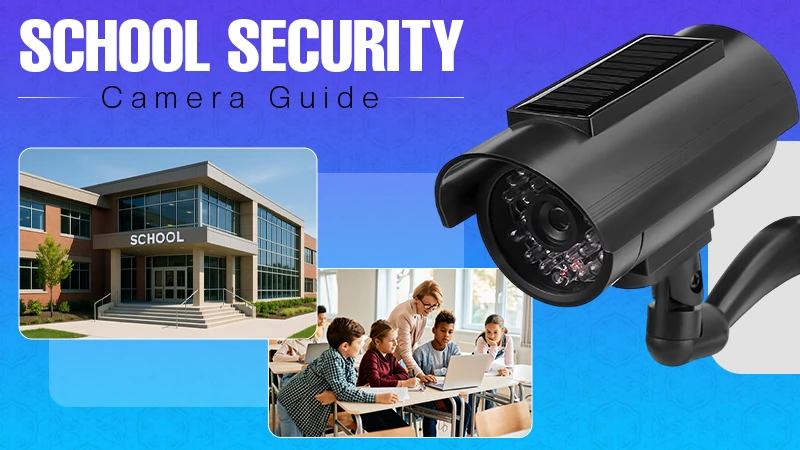
School is an institution where kids are taught how to better conduct themselves and grow their skills, which is only possible in a safe environment. So, to monitor every student’s safety, institutions install security camera systems.
According to the National Center for Education Statistics (NCES), over 91% of U.S. public schools now use security cameras to monitor hallways, entrances, and common areas where safety incidents, like bullying, trespassing, and more, may occur.
This guide outlines the importance of the use of security camera systems in schools and what parents should know, using real-world examples and verified data.
Key Takeaways
- Over 90% of U.S. public schools use security cameras
- Modern systems use AI for real-time alerts, not just recording
- Privacy is protected under FERPA and state laws
- Integrated systems improve emergency response time
- Cameras are most effective when combined with access control and staff training
Schools have increased their budgets over the last decade to successfully incorporate security systems.
According to the U.S. Department of Education, billions of federal and state dollars have been allocated toward school safety upgrades, including surveillance systems, secure entry points, and emergency response tools.
Several factors are driving this shift:
Parents today expect visible, proactive safety measures. In surveys conducted by Education Week Research Center, safety consistently ranks among the top three concerns for parents when evaluating schools.
Modern systems reduce response time. Instead of reviewing hours of footage after an incident, administrators can see events in real time and act immediately.
Schools use cameras to investigate bullying reports and ensure accountability in hallways and shared spaces.
With campuses becoming more open and accessible, monitoring entrances and visitor areas has become essential.
Many parents picture a few hallway cameras connected to a monitor in the principal’s office. That’s outdated.
A modern school security camera system typically includes:
Platforms, such as Coram’s school security camera system, are systematically designed to integrate video surveillance with emergency management tools, including access control features, all rolled into one cloud-based dashboard. The cloud system prevents loss of recording or data due to power cuts and mechanical failures, ensuring compliance is followed at all times.
Administrators also see much more than just the footage on the camera; they also see credentials used, alerts triggered, and more. These attributes allow for operational awareness and insight rather than just displaying recorded footage.
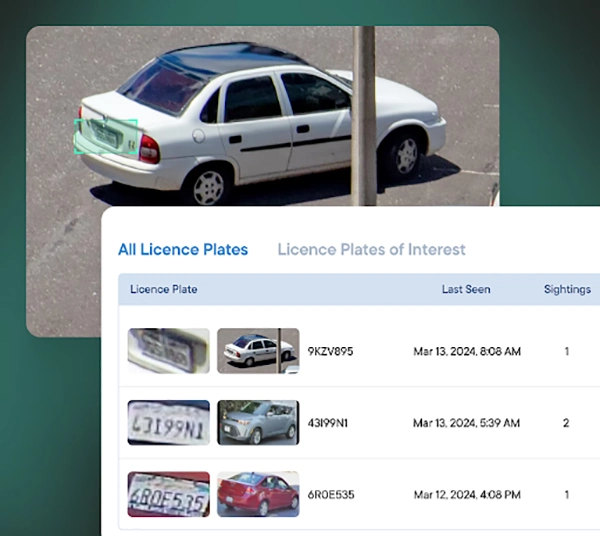
Understanding placement is critical for privacy.
In the United States, recording in private spaces like bathrooms or changing areas is illegal. Schools must comply with federal and state privacy laws.
Traditional cameras simply record. AI-powered systems analyze video in real time.
Here’s what AI can do in schools:
AI can flag loitering near entrances or restricted areas.
If someone enters a campus after hours, alerts can be triggered immediately.
Instead of reacting to every motion event, AI filters normal student movement from potential risks.
For example, if a door is forced open, the system can immediately display video from nearby cameras.
This shift from passive recording to intelligent monitoring is one reason districts are upgrading legacy CCTV systems.
Fun Fact
CCTV wasn’t originally designed for surveillance, but was developed in 1942 by German engineer Walter Burch to monitor V2 rocket launches from safe distances.
Privacy is one of the biggest concerns parents raise.
Here are the legal frameworks protecting students:
Protects student education records, including video footage tied to identifiable students.
Many states have additional laws governing data storage and access.
Only authorized personnel can review footage. Logs are typically maintained to track who accessed recordings.
Most districts retain footage for 30 to 90 days, unless required for investigations.
Parents have the right to ask:
This is an important question.
Research shows that visible surveillance reduces property crime and vandalism in public spaces by up to 30%, according to studies published by the Urban Institute and Department of Justice.
However, cameras alone are not enough.
Effective safety comes from combining:
The most effective systems function as part of a broader safety strategy.
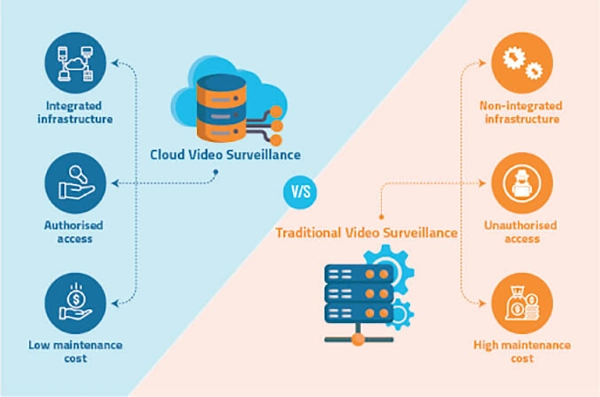
Cloud-based cameras (NVR) support functioning even during failures, so none of the surveillance footage is lost at any time, which is a major plus over traditional security systems.
Learn more about the benefits of modern systems by checking out this illustration:
In several U.S. school districts, administrators have adopted integrated systems that connect cameras with door access logs and emergency alerts. Platforms like Coram are used in some campuses to unify video feeds, smart alerts, and credential-based access monitoring under one dashboard.
For example:
This type of integration improves situational awareness without increasing staffing costs.
Instead of simply asking, “Do you have cameras?”, ask better questions:
Engaged parents help schools improve safety policies.
Security should not create fear.
Experts emphasize that effective school surveillance:
When implemented correctly, cameras become a background safety layer rather than a visible intrusion.
Security cameras in schools are now standard in American education, but how they are deployed, integrated, and monitored while following all privacy guidelines and safety measures is vital too.
For parents, understanding the technology empowers better conversations with administrators. Cameras are not about surveillance for surveillance’s sake. When implemented responsibly, they provide faster response, better accountability, and stronger campus security.
The real question isn’t whether schools should have cameras.
It’s whether they’re using them intelligently, ethically, and transparently.
Security cameras are used in schools to monitor halls, entrance ways, and other common areas, to ensure the safety of students and to prevent security incidents like bullying, harassment, and trespassing from taking place.
Yes, schools ensure all guidelines and regulations related to privacy are followed, and set retention limits and access control systems to ensure only authorized personnel can access the footage.
AI helps in detecting unusual behavior caught on security systems, identifies perimeter breaches, and reduces cases of false alarms so that surveillance systems work as intended and smoothly.
Cloud-based cameras store recordings in the cloud and keep functioning even during power failures, ensuring smooth working at all times, all while not requiring any physical infrastructure from the client.